Two teenagers from Cleveland invented the superhero, sold the rights for 130 dollars in 1938, and watched an industry get built on top of it. Jerry Siegel wrote that first Superman, and the version in these volumes is startlingly unlike the one most people picture.
What the early Superman actually is
A social reformer, not a defender of the status quo. The original Superman throws slum landlords off buildings, wrecks a munitions factory to stop a war, and terrifies a mine owner into fixing safety conditions. He is a Depression-era power fantasy about someone finally punishing the people who deserve it.
Limited powers. He cannot fly at first — he leaps. There is no heat vision, no super-hearing, no interstellar travel. The escalation happens gradually across these volumes and you can watch it arrive.
Speed of invention. Every convention of the genre is being made up here for the first time: the secret identity, the costume, the reporter job, the villain who is a scientist. None of it existed before, and the volumes read like an idea being tested in public.
The Golden Age volumes
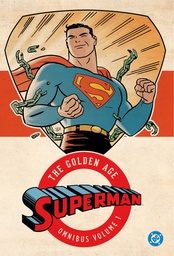
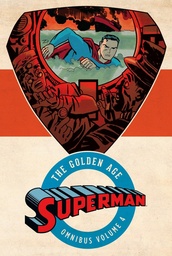
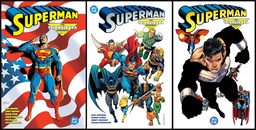
Superman: The Golden Age Omnibus Vol. 1 at 784 pages is where it begins, followed by five further volumes.
The first two are the important ones. Volume one contains the earliest stories, where the character is aggressive and openly political, and volume two at 731 pages continues before the tone begins to soften under editorial pressure and the demands of a newspaper strip audience.
Volumes three to six run around 400 pages each and cover the wartime period, by which point the character has been made safer and more patriotic. They are worth having if the era interests you and easy to skip if it does not.
The Silver Age and Supergirl
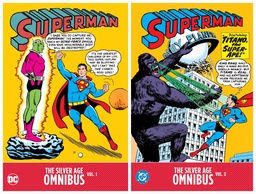
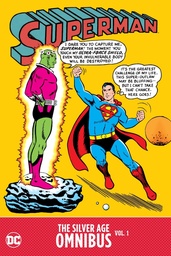
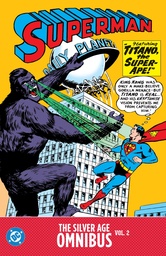
Superman: The Silver Age Omnibus Vol. 1 at 528 pages and Vol. 2 at 512 pages collect his later return to the character, in the era of imaginary stories, Bizarro and Kryptonite in nine colours.
Supergirl: The Silver Age Omnibus Vol. 1 at 536 pages and Vol. 2 at 520 pages collect the character he co-created in that period, which is the material almost nobody outside the era knows.
Everything is on the Jerry Siegel page. For the equivalent Batman shelf, our Bill Finger guide covers a very similar story about credit.
Where to start
One recommendation: Superman: The Golden Age Omnibus Vol. 1. It is the beginning of the entire genre, the political Superman is genuinely surprising to a modern reader, and it stands alone completely.
Do not start with the Silver Age volumes unless you specifically want the whimsical era — they are enjoyable and they are nothing like the origin.
Who should skip this shelf
This is the oldest material in the catalogue and the reading experience reflects it: stories of thirteen pages, flat art, dialogue that states everything, and plots resolved by strength. The historical interest carries it; the storytelling does not.
Some Golden Age stories also contain caricature and attitudes of their period, reproduced without alteration. The volumes are presented as historical documents, which is the honest approach, but it is worth knowing before ordering.
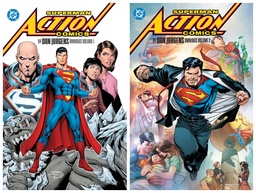
If you want to read Superman rather than to own where he started, the modern material in our Dan Jurgens guide or the run in our Peter J. Tomasi guide will serve you far better.





Comments
No comments yet. Be the first to share your thoughts.