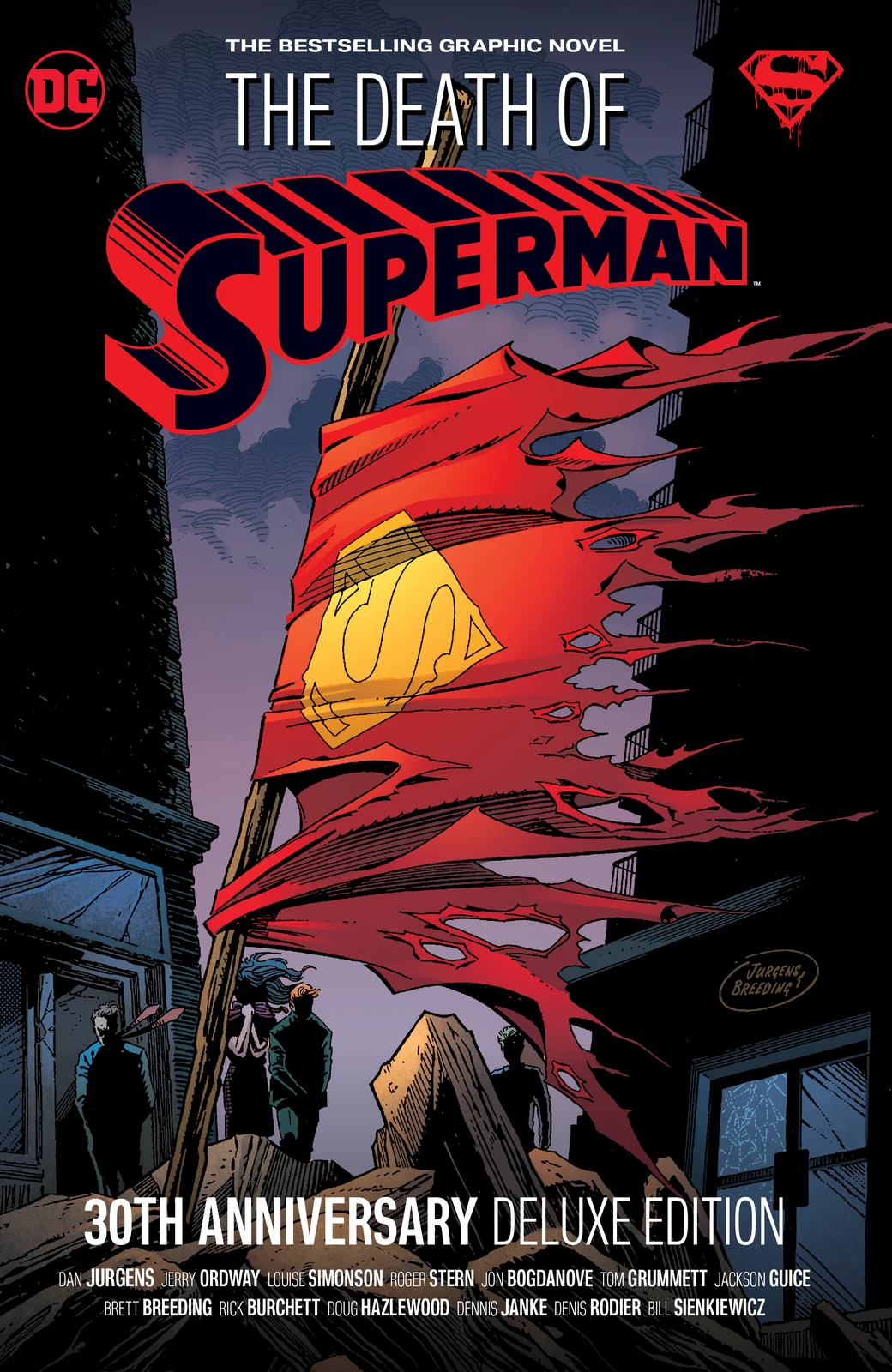
In 1992 a comic sold six million copies because Superman died in it. Dan Jurgens drew and co-plotted that issue, and the interesting part of his shelf is not the death — it is that he then spent years making the aftermath work, which is a far less glamorous job and a much better argument for him as a creator.
What defines his work
Writer and artist at once. Like a handful of creators on these shelves he does both, which shows in how his pages are paced: the story beats and the panel breaks are the same decision.
Superman as a working person. His Clark Kent has a job, deadlines and a mortgage-shaped life. The heroism reads as effortful because the rest of the character's week is ordinary.
Coordination at scale. The Superman line of the nineties ran as one weekly story across four titles, and he was central to keeping it coherent. It is the most sustained shared-continuity experiment mainstream comics has attempted.
Craft, not flourish. Clean draughtsmanship, conventional layouts, absolute clarity. Nothing here is stylistically ambitious and nothing is ever confusing.
The famous one
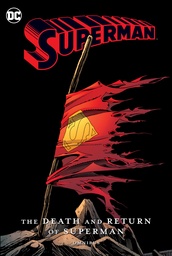
Death and Return of Superman Omnibus at 1,408 pages collects the whole arc: the fight that kills him, the funeral, the four replacements who claim the name, and the return.
Buy this one first if the story is why you are here. It is self-contained, it needs nothing, and it holds up better than its reputation as a publicity stunt suggests — the middle section, with four different characters arguing about what Superman meant, is the part that earns it.
The Triangle Era, and the set
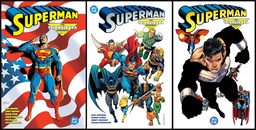
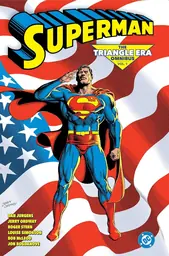
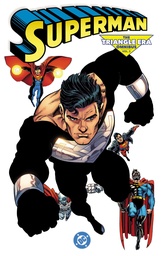
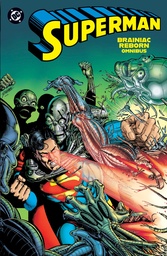
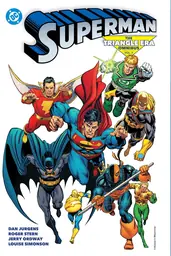
Superman: The Triangle Era Omnibus Vol. 1-3 at 4,376 pages is the largest set in this catalogue, and it is exactly the sum of the three volumes at 1,376, 1,480 and 1,520 pages.
The name comes from the small triangle printed on each cover telling you the reading order across four monthly titles. Read as intended, it is a single continuous Superman story running week by week for years, and there is nothing else quite like it in the medium.
The practical note matters here more than on most shelves: on a single-copy catalogue, assembling 4,376 pages across three separate volumes over months usually fails. If the set is available, it is the sane purchase.
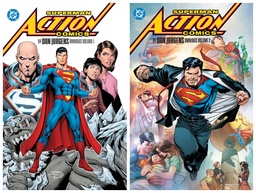
Superman: Action Comics by Dan Jurgens Omnibus Vol. 1 at 848 pages, with a second volume, is his much later return to the character, written decades after the first run.
Away from Superman
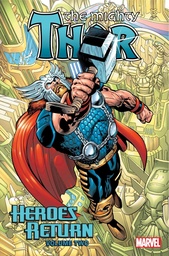
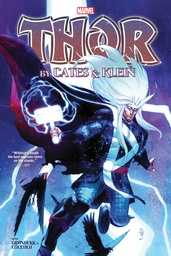
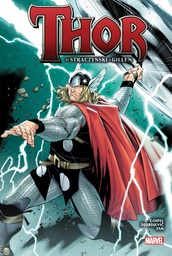
Thor: Heroes Return Omnibus Vol. 1 and its second volume collect his Marvel work, a run built on the idea of Thor sharing a body with a paramedic, which puts the god back among people who need help.
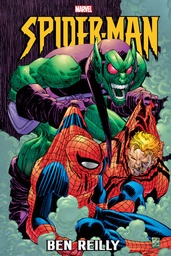
Spider-Man: Ben Reilly Omnibus Vol. 2 at 1,304 pages and Futures End: Five Years Later Omnibus at 1,600 pages are the shared-credit books on the shelf, both with several writers involved.
The whole shelf is on the Dan Jurgens page.
Where to start
One recommendation: Death and Return of Superman Omnibus. It is the complete story, it explains itself, and at 1,408 pages it is a fraction of the commitment the Triangle Era set asks for.
If it works and you want the full experience, the Triangle Era Vol. 1-3 set is the destination and the only sensible way to buy it.
Who should skip this shelf
This is 1990s DC: bright, earnest, heavily captioned, with plots that resolve cleanly and villains who explain themselves. Readers who want moral ambiguity or formal ambition will find it plain, and the art across the line is competent house style rather than anything distinctive.
The Triangle Era also demands something unusual: it was designed to be read a chapter a week across four titles, and reading 4,376 pages of it in sequence flattens the rhythm it was built for. It rewards patience and punishes bingeing.




Comments
No comments yet. Be the first to share your thoughts.