By 1969 Batman was a joke, and not by accident: a television series had made the character a national comedy and the comics had followed. Dennis O'Neil was handed the job of undoing that, and the version he produced — nocturnal, humourless, working alone — is the one every adaptation since has used.
His shelf is the foundation of the modern character, and almost none of it is famous the way later Batman books are.
What defines his writing
Detective before vigilante. His Batman investigates. Cases have clues, suspects and legwork, and the fight is the end of the process rather than the point of it.
Villains rebuilt as threats. He took characters who had become harmless and made them dangerous again. The Joker in particular goes from prankster to murderer in a single story on this shelf, and stays there permanently.
Social argument inside genre. His Green Lantern and Green Arrow work put superheroes in front of poverty, addiction and racism, which nobody at either publisher was doing. It reads as blunt now and it was genuinely new then.
Economy. He writes tight, self-contained stories. Almost everything here resolves inside an issue or two, which makes the omnibus unusually easy to dip into.
The Batman shelf
Batman: The Bronze Age Omnibus Vol. 1 at 560 pages is where the reinvention happens: the character moves out of the mansion, the stories move to night, and the tone resets permanently.
The Joker: The Bronze Age Omnibus at 832 pages collects the parallel rebuild of the villain, and the art side is covered in our Jim Aparo guide.
This material is the direct ancestor of everything in our Scott Snyder guide and the modern horror-inflected Gotham. Reading the two eras against each other shows how little the basic formula has changed.
The Question
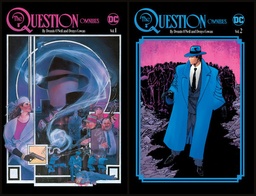
The Question by Dennis O'Neil & Denys Cowan Omnibus Vol. 1-2 at 1,804 pages collects the run as a set, exactly the sum of the two volumes at 916 and 888 pages.
This is the best-kept secret on the shelf: a faceless vigilante in a corrupt city who gets beaten nearly to death in the first issue and spends the rest of the run learning philosophy, martial arts and humility. It is slower, stranger and more thoughtful than anything else here, and it is the work O'Neil is most respected for among people who have read it.
The set is the sensible purchase: it is one continuous story and assembling two volumes separately over months often stalls.
The rest of the shelf
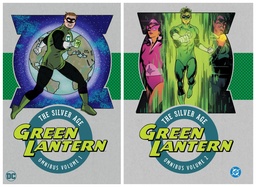
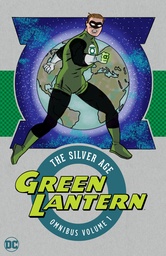
Justice League of America: The Bronze Age Omnibus Vol. 1 at 856 pages and Vol. 2 at 784 pages carry his team work, and Green Lantern: The Silver Age Omnibus Vol. 2 at 1,000 pages includes material drawn by the artist in our Gil Kane guide.
Amazing Spider-Man Omnibus Vol. 7 at 680 pages is the Marvel outlier.
Everything is on the Dennis O'Neil page.
Where to start
One recommendation: Batman: The Bronze Age Omnibus Vol. 1. It is short by the standards of this catalogue, it needs nothing, and it is the exact point where the modern character begins.
If you want the best book rather than the most historically important one, the Question Vol. 1-2 set is the stronger read and almost nobody buying Batman books knows it exists.
Who should skip this shelf
This is 1970s DC and the storytelling conventions are far from modern: narration explains the action, stories wrap in twenty pages, and characterisation is delivered rather than revealed. Readers who came from the prestige era will find it simple.
The social-issue material has also aged unevenly. It was brave in 1970 and it is heavy-handed now, and the depiction of the problems it tackles reflects the period more than the subject. It is worth reading as history rather than as commentary.




Comments
No comments yet. Be the first to share your thoughts.