Gil Kane worked for both major publishers across four decades and left a mark on each that outlived him. He designed the Green Lantern that DC has used ever since. He drew the two Spider-Man issues that ended the innocence of that title. Very few artists have a shelf this wide.
How to recognise a Kane page
The upward angle. His signature shot is a figure seen from below, leaping or punching toward the reader, with the body foreshortened along the diagonal. Once you know it you see it on every second page.
Anatomy from life. He drew from study, and his figures move like athletes rather than like costumes. Muscles do what muscles do under load.
Nostrils and jaws. A quirk worth knowing because it identifies him instantly: he draws faces from below often enough that his characters are remembered for their nostrils. It sounds trivial and it is the fastest way to recognise his hand.
Economy. Backgrounds are suggested rather than rendered, so the figure carries the page. It makes his work fast to read and gives the action a stage-lit quality.
The Green Lantern volumes
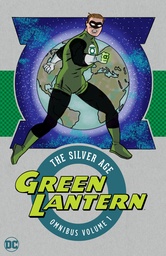
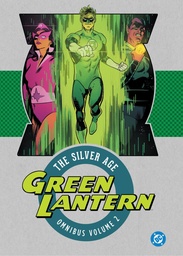
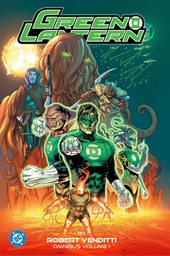
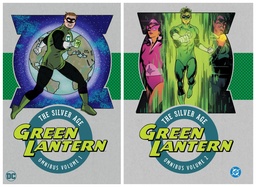
Green Lantern: The Silver Age Omnibus Vol. 1 at 1,000 pages and a second volume of the same size collect the run where the character was rebuilt from scratch as a test pilot with a ring.
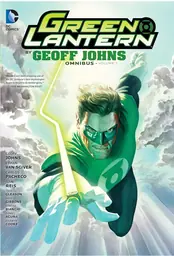
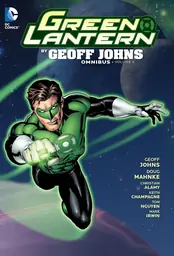
The costume, the emblem and the way the constructs are drawn all come from Kane. This is the foundation the material in our Geoff Johns guide spends decades reinterpreting, and reading the two eras against each other is genuinely instructive.
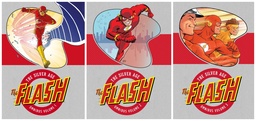
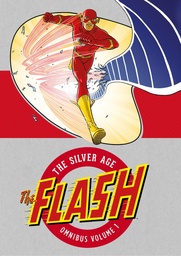
The Flash: The Silver Age Omnibus Vol. 3 at 800 pages carries his work on the other DC speedster foundation.
The Spider-Man years
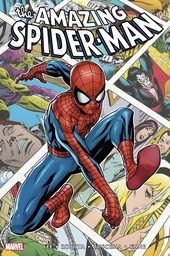
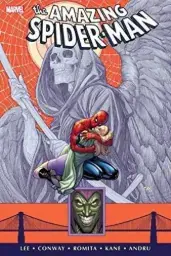
Amazing Spider-Man Omnibus Vol. 3 at 920 pages contains the issues where Gwen Stacy dies and the Green Goblin follows her, drawn by Kane.
Those two issues are routinely described as the end of the Silver Age, and the drawing is a substantial part of why: the fall is staged with a clarity that leaves no ambiguity about what happened, which is exactly what made it land.
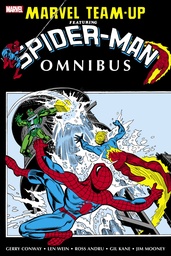
Vol. 4 at 976 pages continues the era, and Marvel Team-Up Omnibus Vol. 1 at 840 pages collects the crossover title he helped launch.
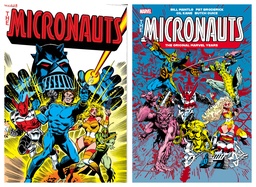
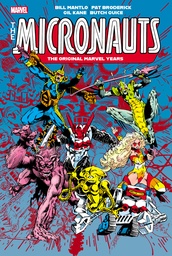
Micronauts: The Original Marvel Years Omnibus Vol. 2 at 888 pages is the later science fiction work, covered from the writing side in our Bill Mantlo guide.
The whole shelf is on the Gil Kane page.
Where to start
One recommendation: Green Lantern: The Silver Age Omnibus Vol. 1. It is the work that is most completely his, it needs no continuity, and it is where the designs everyone still uses were made.
If you want the famous moment instead, Amazing Spider-Man Omnibus Vol. 3 contains the Gwen Stacy issues, though you are buying a Lee and Conway book that Kane drew.
Who should skip this shelf
This is Silver Age material and the storytelling conventions are far from modern: captions narrate what the art shows, characters explain their powers mid-fight, and plots resolve in a single issue. The pleasure is in the draughtsmanship and the historical position, not in the writing.
His economy also means sparse backgrounds. Readers who love dense, detailed pages — the approach in our George Pérez guide — will find these pages empty by comparison. It is a deliberate choice, but it is not to everyone's taste.


Comments
No comments yet. Be the first to share your thoughts.