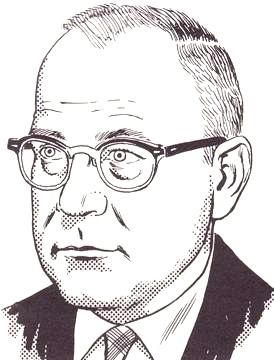
Three structural ideas hold up the modern comics industry: heroes from different books teaming up, all those books sharing one world, and that world being one of many. Gardner Fox wrote all three into existence, and he is the least discussed writer in this entire series of guides.
What he invented
The superhero team. In 1940 he put unrelated characters into one book together, which nobody had done. Every team comic since — Avengers, X-Men, Justice League — descends from that decision.
The shared universe. Making those characters exist in the same world with consistent rules is the foundation the whole business now sells. It seems obvious only because he did it first.
The multiverse. In 1961 he wrote a story where the Flash meets a version of the Flash from another Earth. Everything from Crisis on Infinite Earths to the modern films runs on that idea, and it is on this shelf.
Puzzle plotting. His stories work like riddles: a strange situation, a scientific-sounding explanation, and a solution that depends on the hero thinking. Nobody wins by hitting harder.
The Justice League volumes
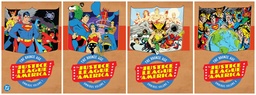
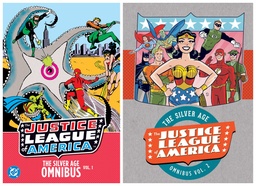
Justice League of America: The Silver Age Omnibus Vol. 1 at 896 pages and Vol. 2 at 1,056 pages collect the run where the team format was standardised.
The formula he built here — the team splits into pairs, each pair handles part of the threat, everyone regroups for the finish — is still the structure most team comics use sixty years later.
Justice League of America: The Bronze Age Omnibus Vol. 1 at 856 pages continues into the era covered in our Dennis O'Neil guide.
The Flash and the multiverse
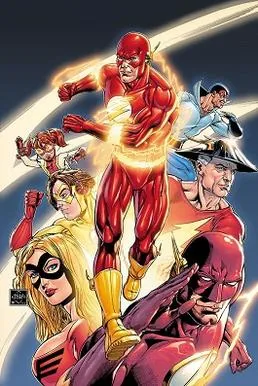
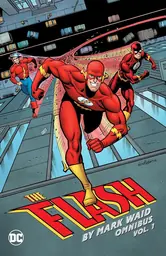
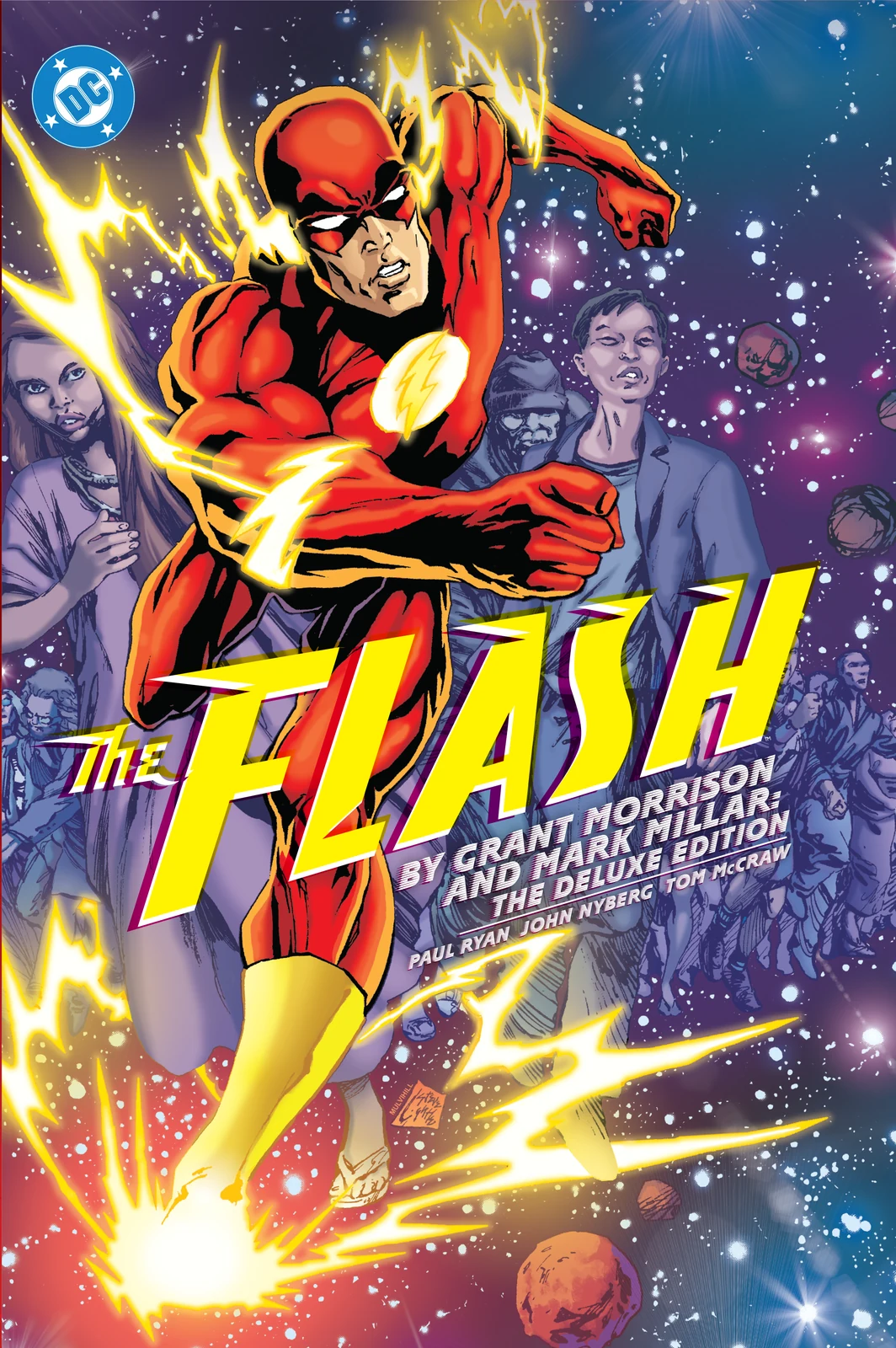
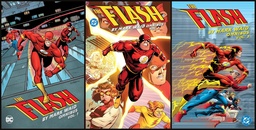
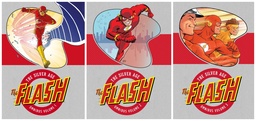
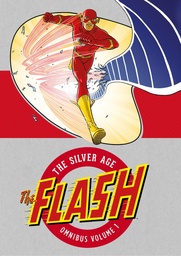
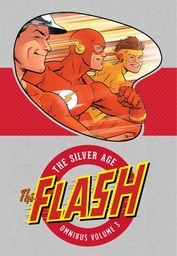
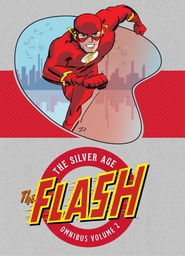
The Flash: The Silver Age Omnibus Vol. 1 at 864 pages contains Flash of Two Worlds, the story that invented the multiverse. Volumes two and three at 784 and 800 pages continue the run.
It is worth understanding what that story does: it explains that the 1940s heroes and the 1960s heroes both exist, on different Earths, and that they can visit each other. That single device is why every character who has ever been rebooted can still be published, and it was invented to solve a continuity problem in one issue.
Green Lantern and Batman
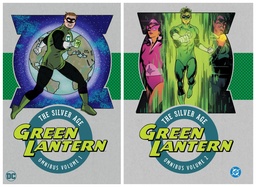
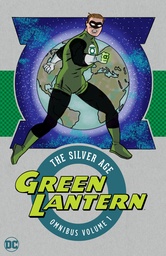
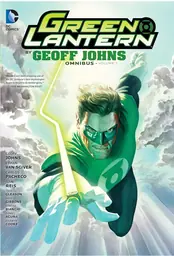
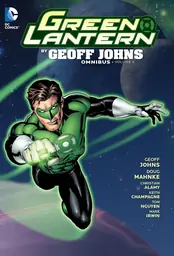
Green Lantern: The Silver Age Omnibus Vol. 1 at 1,000 pages and Vol. 2 collect the material drawn by the artist in our Gil Kane guide, where the science fiction side of the character is built.
Batman: The Silver Age Omnibus Vol. 1 at 544 pages and Vol. 2 at 560 pages carry his Batman work, the era described in our Bill Finger guide.
Everything is on the Gardner Fox page.
Where to start
One recommendation: The Flash: The Silver Age Omnibus Vol. 1. It contains the multiverse story, the puzzle plotting is at its most enjoyable on this character, and it needs no context whatsoever.
If the team format interests you more than the science fiction, Justice League of America: The Silver Age Vol. 1 is where that was standardised.
Who should skip this shelf
This is 1960s DC and it is the least modern reading experience in the catalogue. Stories run twelve to twenty-four pages, characters have no interior life, dialogue exists to explain the plot, and the science is invented on the spot. Nobody in these books changes.
Buy this shelf if you are interested in where the machinery came from, or if you enjoy the puzzle-story format on its own terms. Buy something else if you want characters you can care about — almost every other guide in this series points at better options for that.


Comments
No comments yet. Be the first to share your thoughts.