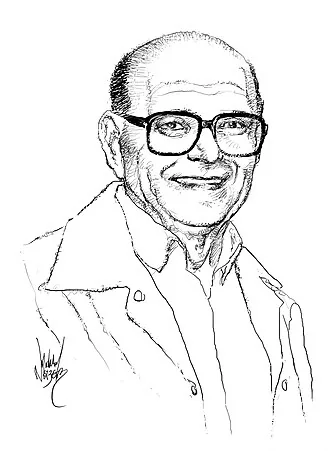
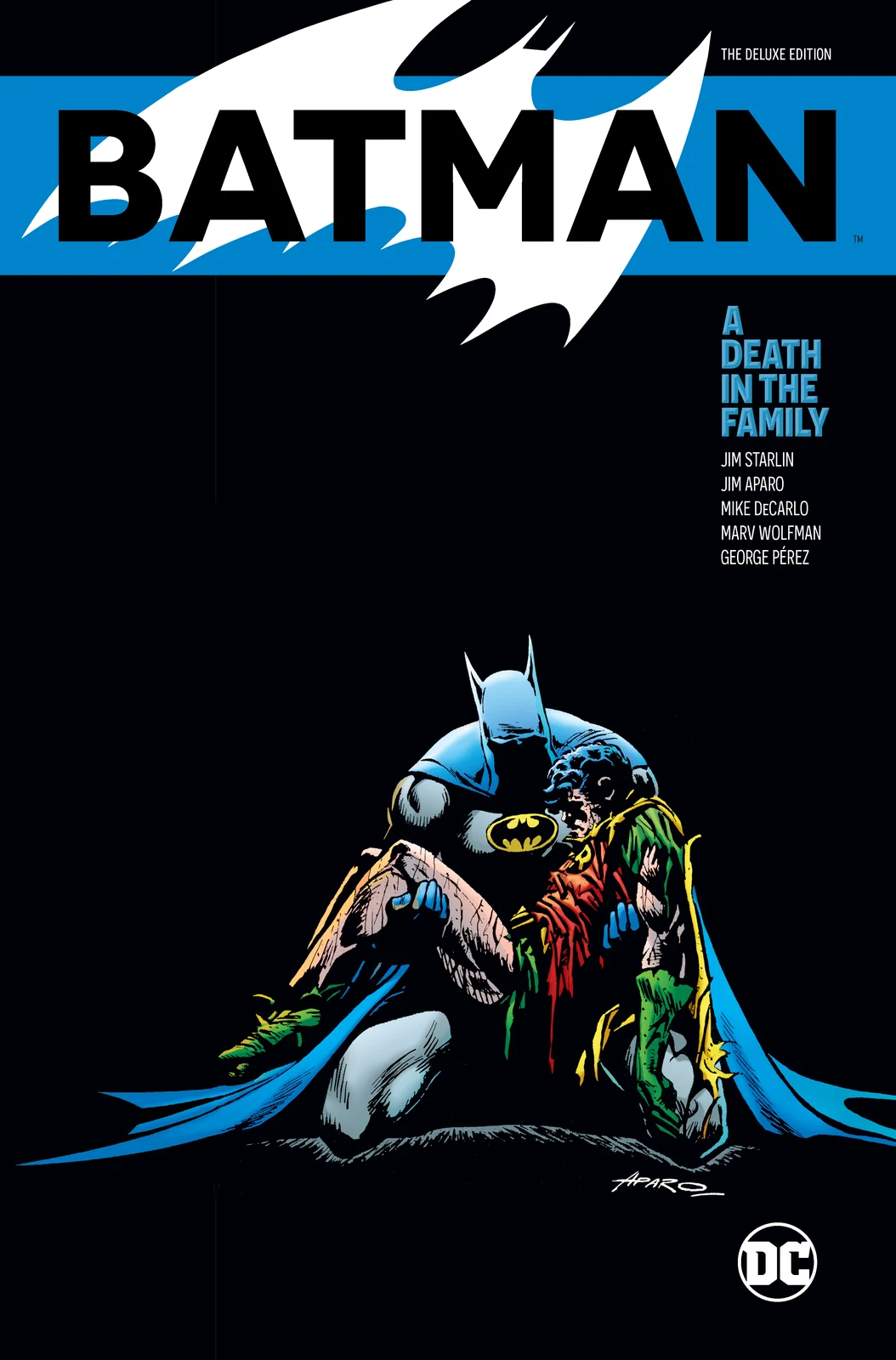
Jim Aparo drew, inked and lettered his own pages, which almost nobody at his level did, and he did it on Batman for close to thirty years. The result is one of the most consistent bodies of work in this catalogue: you can open any of these volumes at random and the storytelling is the same quality.
How to recognise an Aparo page
One hand from pencil to letter. Because he inked and lettered himself, the balloons sit where the composition wants them and the linework never loses anything in translation. His pages have a unity that team-produced art rarely reaches.
A lean Batman. His Batman is wiry rather than bulky, with a cape that behaves like fabric. It is the version that dominated the 1970s and 1980s and the one most readers of that era picture first.
Faces that act. Villains in his pages are people with expressions rather than designs. His Joker in particular is frightening because the face is doing something specific rather than being a fixed grin.
Absolute clarity in fights. Geography always holds. You know where everyone is, where they moved from and what they hit, which is the base skill that makes long runs readable.
Knightfall, and the set
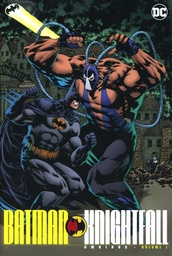
Batman: Knightfall Omnibus Vol. 1-3 at 2,588 pages collects the arc as a set, which is exactly the sum of the three volumes at 960, 976 and 652 pages.
This is the story where Bane breaks Batman's back, a replacement takes the cowl and turns out to be dangerous, and Bruce has to earn the role back. It ran across every Batman title for over a year and it is the most famous thing on this shelf.
The set matters here for a practical reason: the story genuinely does not conclude until the third volume, and on a single-copy catalogue assembling three separate volumes over months frequently stalls at two. Buying halfway into Knightfall is buying a broken back and no recovery.
The Bronze Age volumes
The Joker: The Bronze Age Omnibus at 832 pages collects the period when the character was rebuilt as a killer after years as a harmless prankster. Aparo drew a substantial share of it, and it is where the modern Joker begins.
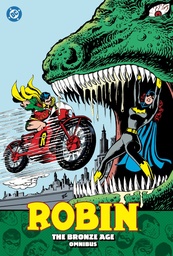
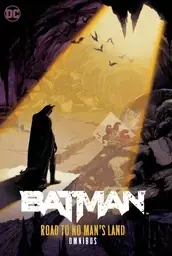
Robin: The Bronze Age Omnibus at 688 pages covers Dick Grayson's solo material from the same era, and Batman: Road to No Man's Land Omnibus at 712 pages is the later Gotham crossover material.
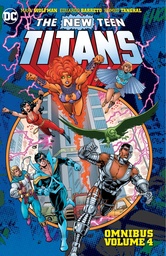
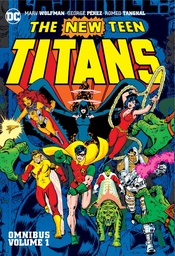
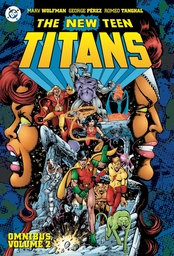
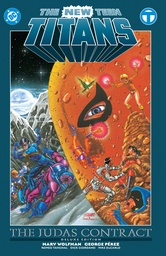
New Teen Titans Omnibus Vol. 2 at 640 pages places him inside the run covered in our Marv Wolfman guide.
The whole shelf is on the Jim Aparo page.
Where to start
One recommendation: the Knightfall Vol. 1-3 set. It is the complete story, it needs almost no previous Batman reading, and it is the arc that everything in modern Batman refers back to.
If you want the drawing rather than the event, The Joker: The Bronze Age Omnibus is the better showcase and a much smaller commitment.
Who should skip this shelf
These are shared-credit books. Knightfall in particular was a line-wide crossover with several artists rotating, so buying it for Aparo specifically means accepting that his pages are a share rather than the whole.
The material is also of its time in the ways that matter most: expository captions, plots that explain themselves, and a Gotham that is dangerous without being genuinely dark. Readers coming from the modern horror-inflected Batman will find this considerably more straightforward, and whether that reads as clean or as simplistic is a matter of taste.


Comments
No comments yet. Be the first to share your thoughts.