When Marvel needed to teach new artists how the house style worked, it did not hand them a rulebook. It handed them John Buscema pages. He is the reason Marvel heroes stand the way they stand, and the reason a figure in a 1970s Marvel comic reads as monumental rather than merely large.
How to recognise a Buscema page
Classical figure drawing. Anatomy built on real study, with weight distributed correctly and poses that a body could actually hold. Nothing on his pages is faked.
Heroic proportion. His characters are idealised without being distorted. They look like the best possible version of a person rather than like an anatomy diagram or a cartoon.
Storytelling before spectacle. Panel to panel, you always know where everyone is standing. He was famously more interested in clarity than in showing off, which is exactly why he was the teaching model.
Drapery and mass. Capes, cloaks and armour hang with real weight. It is a small thing that separates his pages from most of his imitators.
The Thor volumes
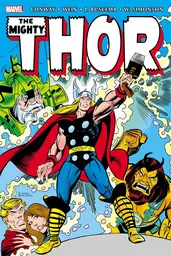
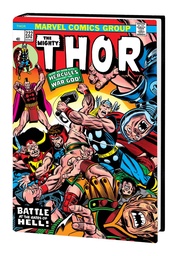
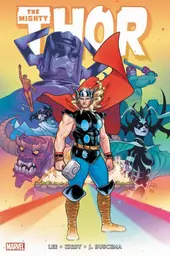
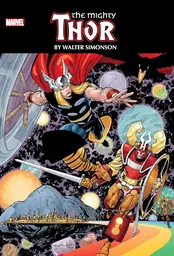
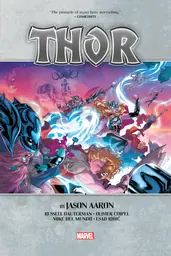
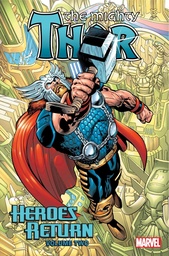
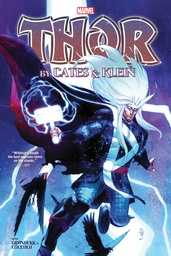
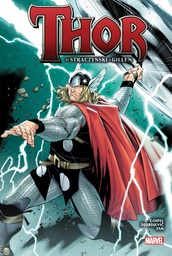
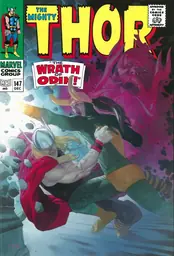
The Mighty Thor Omnibus Vol. 3 at 982 pages, followed by volumes of 784 and 904 pages, carry the period where he took over from the founding era described in our Jack Kirby guide.
Following Kirby on Thor is the hardest job in comics history and he did not attempt to imitate. Where Kirby drew gods as forces of nature, Buscema drew them as classical sculpture: the same scale, an entirely different logic. It is the clearest place to see the difference between the two approaches side by side.
The Silver Surfer
Silver Surfer Omnibus Vol. 1 collects the run he considered his best work.
A character with no clothes, no facial detail and no weapon is an extremely difficult drawing problem, and the solution is entirely in the body language. The Surfer's isolation reads from posture alone, which is a demonstration of exactly the skill Marvel spent years asking other artists to learn from him.
The rest of the shelf
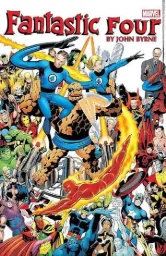
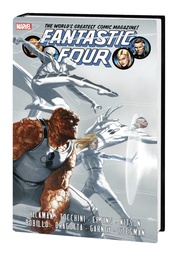
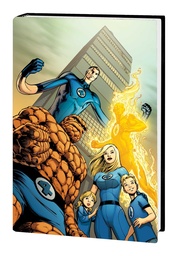
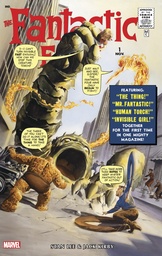
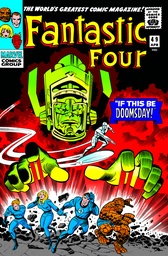
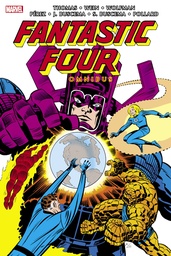
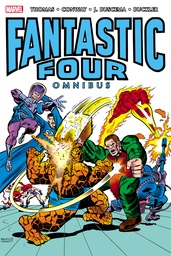
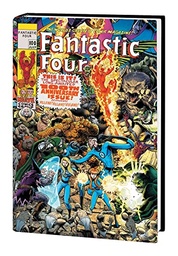
Fantastic Four Omnibus Vol. 4 at 800 pages and Vol. 5 at 1,008 pages cover his run on the title between the Kirby years and the era in our John Byrne guide.
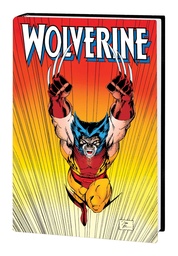
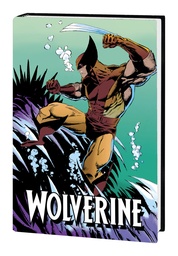
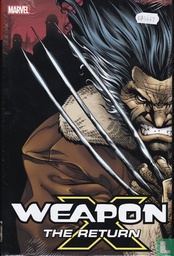
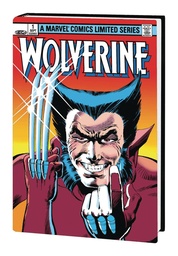
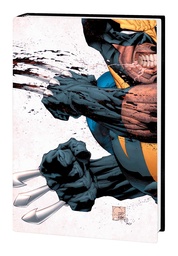
Wolverine Omnibus Vol. 2 and Vol. 3 carry his later work on a character built very differently from the classical heroes he is known for, and Tomb of Dracula Omnibus Vol. 3 at 944 pages places him alongside the artist in our Gene Colan guide.
His brother's shelf is covered separately in the Sal Buscema guide, and telling the two apart matters when buying: the styles are related but not interchangeable.
The whole shelf is on the John Buscema page.
Where to start
One recommendation: Silver Surfer Omnibus Vol. 1. It is the work he was proudest of, it needs almost no continuity, and it is the purest demonstration of what he could do with a figure and nothing else.
If you want him on a character you already follow, The Mighty Thor Omnibus Vol. 3 is the better entry and gains from being read after the Kirby volumes.
Who should skip this shelf
His work is deliberately unshowy. There are no broken panels, no experimental layouts and no stylistic signature beyond sheer competence, so readers who collect for visual invention will find it conservative.
The writing across these volumes is also firmly of the 1960s and 1970s: dense captions, formal dialogue and plots that resolve inside two issues. This is a shelf bought for draughtsmanship, and it is worth being honest that the stories are the smaller part of the appeal.





Comments
No comments yet. Be the first to share your thoughts.