Most comic art is built from outlines that are then filled in. Gene Colan did not work that way. He drew in tone, building figures out of shadow and half-light, and the result is pages that look closer to charcoal drawing or black-and-white film than to anything else Marvel published in his era.
That made him the wrong artist for punching and the perfect one for everything else, which is why his shelf is dominated by two very particular titles.
How to recognise a Colan page
Form built from shadow. Faces and bodies emerge out of darkness rather than being outlined and coloured. It is why his originals were famously difficult to ink and why the wrong inker could destroy a page.
Cinematic angles. He composes from underneath, from above, through doorways, at angles a camera would need to be placed for. Very few of his contemporaries thought about where the reader was standing.
Motion as blur. Figures in movement are drawn as smears and overlapping forms rather than as clean action poses. Daredevil moves like an acrobat in low light because Colan drew the light rather than the acrobat.
Faces with real age. His people have jowls, lines and slack skin. Nobody in a Colan comic looks like an athlete unless they are one.
The Daredevil run
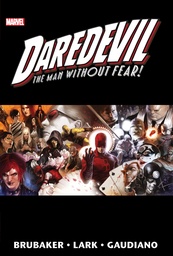
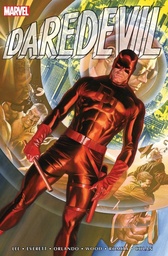
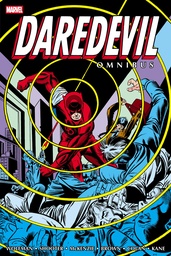
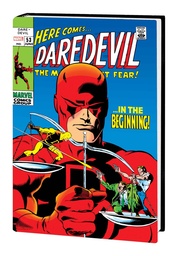
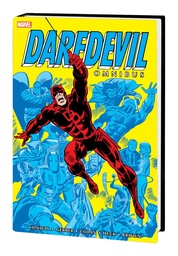
Daredevil Omnibus Vol. 1 at 1,088 pages begins a stretch that continues across three further volumes of 800, 1,160 and 976 pages.
This is the definitive early Daredevil and the run that established what the character looks like in motion. A blind acrobat who fights at night in a city of streetlights is the ideal subject for an artist who draws in tone, and the match between subject and technique is why these volumes still read as modern.
The character's later noir reinvention is covered elsewhere on the blog, but this is where the visual language starts.
Tomb of Dracula
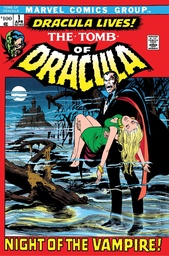
Tomb of Dracula Omnibus Vol. 1 begins the horror run, continuing in Vol. 2 at 808 pages and Vol. 3 at 944 pages.
A monthly Dracula comic published under the American comics code should have been unreadable. It is instead one of the best horror series the medium has produced, sustained for seventy issues with the same writer and artist throughout — a continuity almost unheard of at the time.
Colan is most of the reason it works. The shadow technique that made superhero action awkward makes gothic horror land, and the book is genuinely atmospheric rather than merely gruesome.
The rest of the shelf
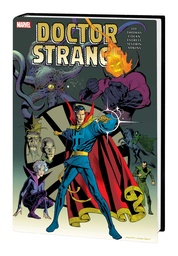
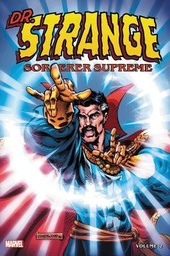
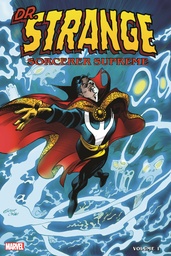
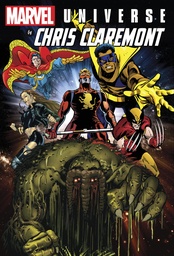
Doctor Strange Omnibus Vol. 2 carries his work on the character whose surreal architecture suited his approach, and Marvel Universe by Chris Claremont Omnibus at 1,144 pages includes material he drew alongside the writer covered in our Chris Claremont guide.
The whole shelf is on the Gene Colan page.
Where to start
One recommendation: Tomb of Dracula Omnibus Vol. 1. It is the book where his technique and his subject fit perfectly, it needs no Marvel continuity at all, and it is the strongest argument that he was doing something nobody else in the industry could do.
If Daredevil is your character, Vol. 1 is the start of the run that defined how he moves.
Who should skip this shelf
The reproduction question is real here. His pages depend on tonal gradation, and older printing and colouring did not always serve them; some of this material looks muddier than the original art deserved. The oversized hardcover format helps, but it does not undo a 1970s colour job.
And the writing is of its period: heavy captions, expository dialogue, plots that resolve fast. If you are buying purely for story rather than for art, other shelves here will serve you better. This is a shelf you buy because of how it looks.









Comments
No comments yet. Be the first to share your thoughts.