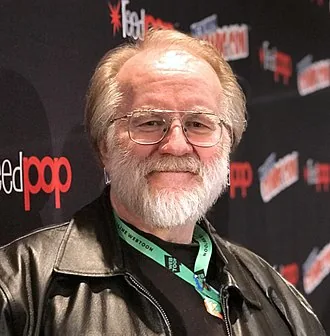
For a stretch of the 1980s John Byrne was the most important person in American superhero comics, and the reason is structural rather than stylistic: he wrote and drew at the same time, on flagship titles, for years. Almost nobody at that level has done it since.
His shelf splits cleanly in two, and knowing which half you are buying is the whole trick.
What defines his work
Clarity above everything. His pages are the most legible in the catalogue. Figures are clean, staging is obvious, and you never lose the order of events. It looks simple and it is the hardest thing on this list to do.
Continuity as engineering. He treats accumulated history as a machine to be repaired: taking a character with forty years of contradiction and producing a version that works without discarding what came before.
Character voices that stay put. His Reed Richards sounds like Reed Richards in every panel. That consistency across long runs is why the family material lands.
Comedy where nobody expected it. The She-Hulk run breaks the fourth wall constantly and is genuinely funny, decades before that became a house style.
Where he is the whole author
These are the four books he wrote and drew, and they are the reason to build this shelf.
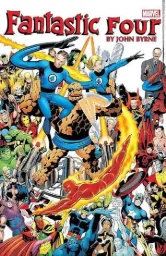
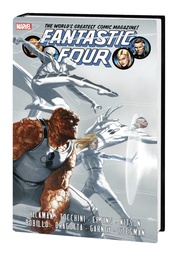
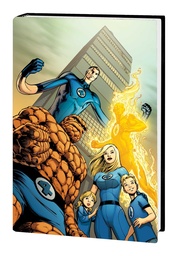
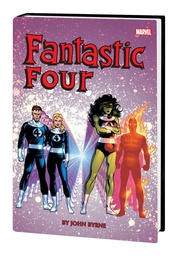
Fantastic Four by John Byrne Omnibus Vol. 1 at 1,096 pages, with a second volume, is the masterpiece. He inherited the title after the founding era covered in the Jack Kirby guide and treated it as a family drama with cosmic problems: Sue Richards becomes the most powerful person in the book, the Thing gets an interior life, and the science fiction stays enormous.
Alpha Flight by John Byrne Omnibus at 1,248 pages is the Canadian team book he built from characters he had invented as X-Men opponents. It is stranger and sadder than its reputation.
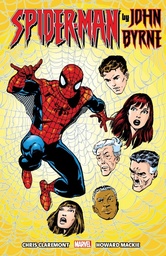
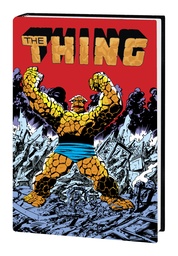
Spider-Man by John Byrne Omnibus at 1,264 pages and The Thing Omnibus at 1,160 pages complete the group, the latter being a solo book about a man who cannot go home.
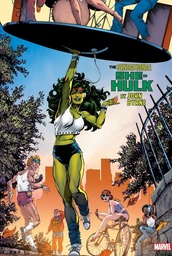
She-Hulk by John Byrne Omnibus is the comedy, and Doom Patrol by John Byrne Omnibus at 500 pages is the later DC work.
Where he is the artist only
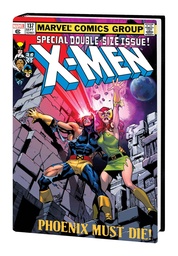
Uncanny X-Men by Claremont Omnibus Vol. 2 at 912 pages contains the collaboration everyone knows: the Dark Phoenix Saga and the run that made the X-Men the biggest title in comics. The writing side is in the Chris Claremont guide, and that partnership is the single most influential artist-writer pairing of its decade.
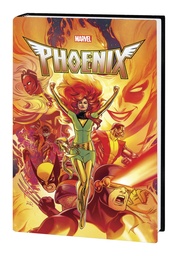
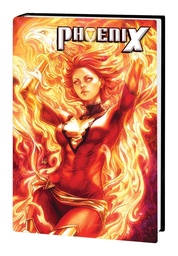
Phoenix Omnibus Vol. 1 and its second volume collect the Phoenix material across a wider span with several hands involved.
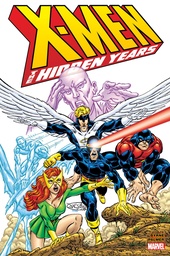
X-Men: The Hidden Years Omnibus at 640 pages is the later return, filling gaps in the original team's history.
The whole shelf is on the John Byrne page.
Where to start
One recommendation: Fantastic Four by John Byrne Omnibus Vol. 1. It is the run where the writing and the drawing are the same decision, it needs no previous reading, and it is the best argument for what a single author can do with a shared-universe title.
If you want the famous art instead, Uncanny X-Men by Claremont Vol. 2 is where the Dark Phoenix material lives, though you are buying Claremont's book with Byrne drawing it.
Who should skip this shelf
This is 1980s Marvel and it reads like it: captions explain what the art already shows, plots resolve inside two issues, and the pacing is brisk to the point of being abrupt by modern standards. The clarity that makes his storytelling admirable also makes it unadventurous — there are no formal experiments here, and readers who collect for stylistic ambition will find the pages plain.




Comments
No comments yet. Be the first to share your thoughts.