In 1999 Bryan Hitch started drawing superhero comics as though they were being filmed: wide horizontal panels, real-world architecture, aircraft with rivets, crowds of extras reacting to things. The industry gave it a name, widescreen comics, and then spent twenty-five years copying it.
His shelf is short and it is disproportionately important. Three of these books changed how the genre looks.
How to recognise a Hitch page
The wide panel. He composes horizontally, in letterbox shapes, with the action staged left to right as a camera would see it. It sounds obvious now because he made it standard.
Photographic texture on impossible things. His flying carriers and alien fleets are drawn with the surface detail of real machinery: panel lines, wear, weight. That texture is what makes the impossible read as physical.
Crowds who react. A Hitch destruction scene includes the people watching it, at scale, with individual faces. Most artists imply a city; he draws one.
Faces built from real people. He casts his books, visibly. The habit is now standard practice and it started as a stylistic tic on his pages.
The book that started it
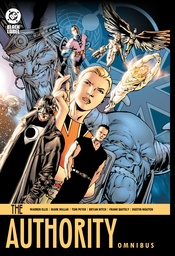
The Authority Omnibus Vol. 1 at 984 pages is where widescreen was invented.
It is a superhero team book about people who decide to fix the world by force, drawn at a scale nobody had attempted in a monthly. The fights level cities, the double-page spreads are engineered as set pieces, and the whole thing reads like a film that had not been made yet. Everything after this on the shelf is an application of what he worked out here.
The Marvel years
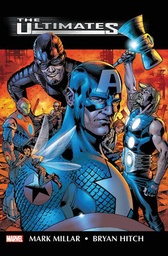
The Ultimates by Mark Millar Omnibus takes the method to the Avengers and is the more famous result. The writing is covered in the Mark Millar guide; what Hitch supplies is the visual grammar that the Marvel films later adopted almost wholesale, down to the way a helicarrier is framed.
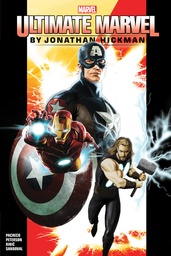
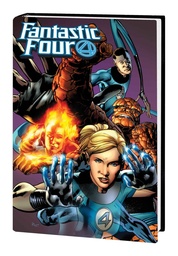
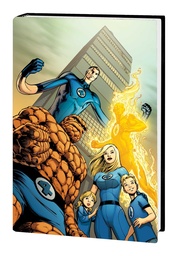
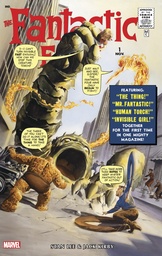
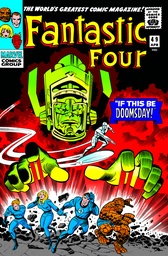
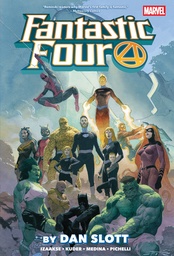
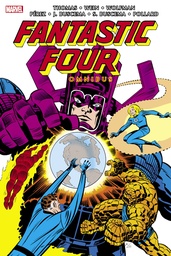
Fantastic Four by Millar & Hitch Omnibus reunites the pair on Marvel's first family, and Ultimate Marvel by Jonathan Hickman Omnibus at 560 pages puts him alongside the writer covered in the Jonathan Hickman guide.
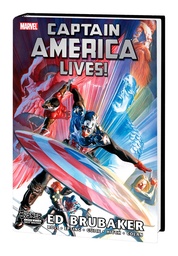
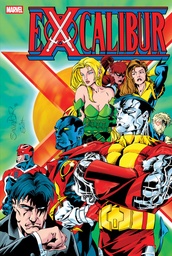
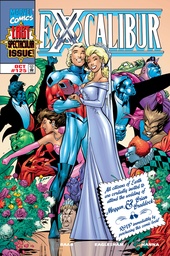
Captain America Lives! Omnibus and Excalibur Omnibus Vol. 4 at 1,024 pages hold his earlier and more scattered Marvel work, the latter from well before the style arrived.
The DC side
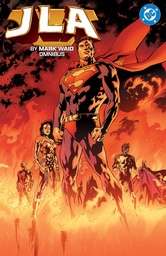
JLA by Mark Waid Omnibus at 1,320 pages is where he applied the approach to DC's flagship team, and it is the most conventional superhero comic on his shelf: big, bright, and built around the idea that these characters are gods who behave decently.
The shelf itself lives on the Bryan Hitch page, ordered so that what can be bought comes first. The rest of the Marvel shelf sits on the Marvel omnibus page.
Where to start
One recommendation: The Authority Omnibus Vol. 1. It is self-contained, it is where the style was invented rather than repeated, and it is still the most aggressive version of it.
If you would rather see the method applied to characters you know, The Ultimates is the better-known book and the one whose influence you can watch playing out in cinemas.
Who should skip this shelf
Widescreen has a cost and this shelf pays it. Wide panels mean fewer of them, so these books move slowly: a fight that another artist would tell in twelve panels takes four pages here. Quiet character scenes are not what the style is for, and it shows. If you want intimacy, density or pages that give you a lot to read, the scale that makes these books famous will feel like an expensive way to say very little.




Comments
No comments yet. Be the first to share your thoughts.