Most superhero runs are written forwards: a writer takes a title, has ideas, and stops when the ideas or the sales run out. Jonathan Hickman writes backwards. He decides how it ends, builds the machine that gets there, and then spends years turning the crank.
That single habit explains everything about his shelf, including why some of these books are frustrating on their own and excellent in sequence.
What defines his writing
Structure before character. His stories are about systems: empires, councils, timelines, civilisations negotiating. People appear as positions within those systems. When the emotional payoff lands it lands hard, precisely because he spent nine hundred pages withholding it.
The data page. He puts charts, org diagrams, timelines and in-world documents on full pages, and treats them as narrative rather than decoration. Nobody else in mainstream comics uses the device this seriously, and it is the fastest way to tell whether his approach is for you.
Long fuses that actually detonate. A line planted in an early issue pays off hundreds of pages later, and unlike most serialised comics, it was planned. His runs have real endings, which is rare enough on these shelves to be a buying argument in itself.
Cold on purpose. The register is deliberately unwarm. Characters state positions rather than feelings. That is a choice, not a limitation, but it is the choice most readers bounce off.
The main event: Avengers into Secret Wars
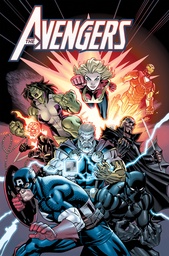
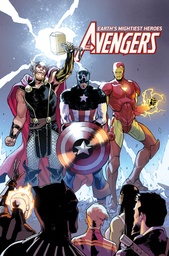
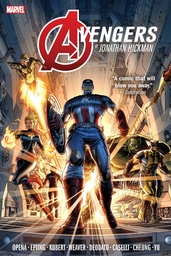
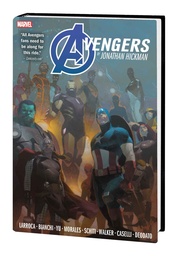
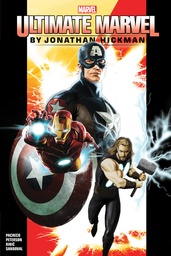
Avengers by Jonathan Hickman Omnibus Vol. 1 at 1,192 pages and its 1,088-page second volume are one continuous three-year argument about whether it is acceptable to destroy another world to save your own.
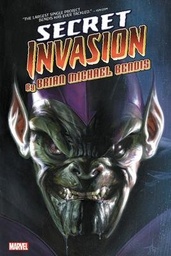
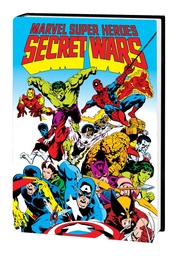
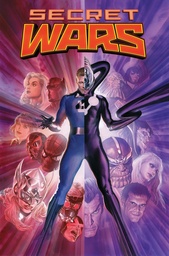
It resolves in Secret Wars by Jonathan Hickman Omnibus at 864 pages, which is the ending the whole run was built towards. Read alone, Secret Wars is a confusing event book. Read after the Avengers volumes, it is the payoff, and it is the strongest case anyone has made recently for the long-form superhero comic as a planned work.
His Avengers directly follows the era covered in the Brian Michael Bendis guide, and the contrast between the two is the clearest illustration of what each writer values.
The X-Men era
X-Men by Jonathan Hickman Omnibus at 656 pages collects the relaunch that reset the franchise: the mutants stop asking for a place in the world and build their own nation instead. It is the shortest major thing on his shelf and the one with the largest consequences.
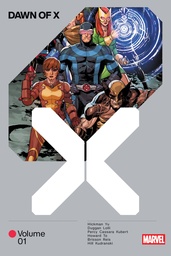
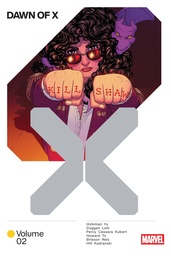
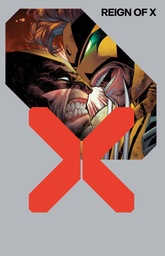
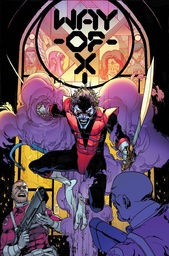
What follows is the line-wide Krakoa material, collected as Age of Krakoa omnibus at 1,400 and 1,344 pages for Dawn of X and 1,040 for the first Reign of X volume. Be clear about what these are: they are the whole X-Men line by many writers, working inside the framework Hickman built. Excellent as a picture of an era, misleading if bought as more Hickman.
The earlier Marvel work
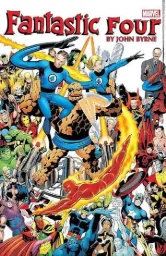
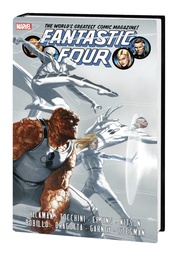
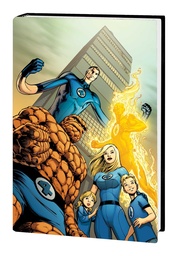
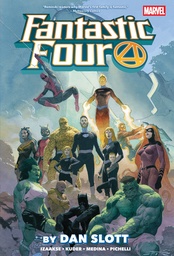
Fantastic Four by Jonathan Hickman Omnibus Vol. 1 and its second volume are where the method arrives fully formed, and where the coldness is warmest: a run about a family that thinks in centuries, and the only place his work is genuinely tender.
S.H.I.E.L.D. by Hickman & Weaver Omnibus at 384 pages is the outlier and the best short introduction to his imagination: a secret history in which Leonardo da Vinci and Isaac Newton ran the same organisation Nick Fury later inherited.
Secret Warriors Omnibus at 904 pages is his first substantial Marvel work, a spy book with a body count.
What can be bought at any given moment changes; the Jonathan Hickman page shows the shelf with those titles first. The wider Marvel catalogue lives on the Marvel omnibus page.
Where to start
One recommendation: X-Men by Jonathan Hickman Omnibus. It is self-contained, it is 656 pages rather than three thousand, and it contains the purest example of the data-page method being used to tell a story rather than to decorate one. If it works on you, the Avengers run is the main course.
If you would rather test the warmer end first, Fantastic Four Vol. 1 is the better book to live with, though it asks more patience up front.
Who should skip this shelf
Two honest warnings. The first is the coldness: if you read superhero comics for characters who feel like people talking, this will read as chess. The second is the commitment. His work is engineered so the parts matter less than the whole, which means the entry cost is a few thousand pages before the structure pays. Readers who buy a single volume to sample him usually conclude he is overrated, and on the evidence of that one volume they are not wrong.




Comments
No comments yet. Be the first to share your thoughts.