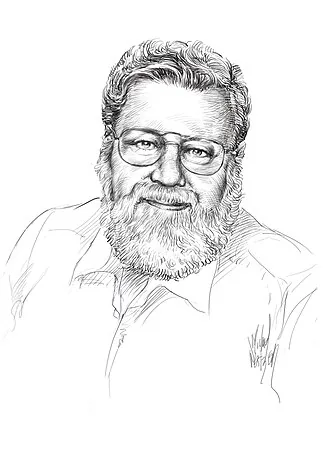
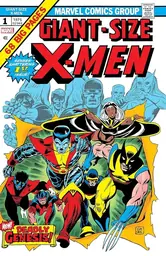
In 1975 the X-Men were a cancelled title running reprints. Dave Cockrum was handed the job of relaunching them with a new international team, and what he drew is the version that has been on screen, on lunchboxes and in every adaptation since. Storm, Nightcrawler and Colossus are his designs. So is the brown-and-tan Wolverine costume that replaced the original.
His shelf is small and its importance is out of all proportion to its size.
How to recognise a Cockrum page
Costume design above everything. He thought about clothes constantly: capes with function, boots that make sense, silhouettes readable at a distance. It is why his characters survived and why nobody has meaningfully redesigned them in fifty years.
Clean, generous linework. His figures are open and uncluttered, closer to illustration than to the heavy rendering that came after him. Faces are friendly even in a fight.
Science fiction instincts. He came from a background of space opera and it shows: alien worlds, hardware and crowds of non-human designs that all look like they belong to the same ecosystem.
Motion drawn with weight. Nightcrawler's acrobatics work on the page because Cockrum drew where the body came from and where it is going, not just the pose in between.
The relaunch
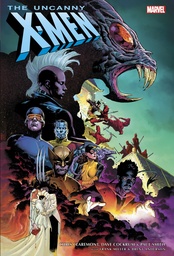
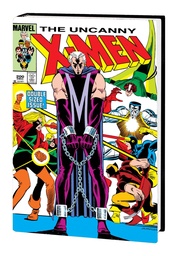
Uncanny X-Men by Claremont Omnibus Vol. 1 at 826 pages contains the material that matters most: the new team assembling and the first years of the run that turned the title into the biggest book in comics.
The writing side is covered in our Chris Claremont guide. What Cockrum supplies is the reason the new characters landed at all — they look like they have always existed, which is the hardest thing to achieve with a cast invented from nothing.
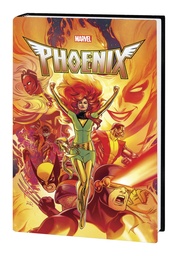
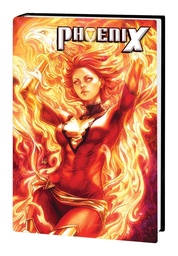
Uncanny X-Men Omnibus Vol. 3 at 1,056 pages and Vol. 5 at 1,064 pages carry his return to the title after the artist who followed him, and Phoenix Omnibus Vol. 1 and its second volume collect the Phoenix material across a wider span.
The science fiction shelf
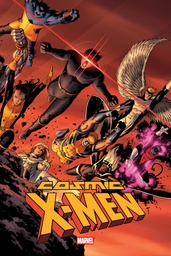
Cosmic X-Men Omnibus at 1,200 pages gathers the space material, which is where his design instincts get the most room.
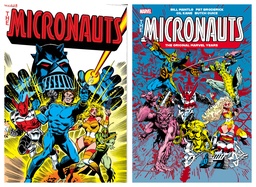
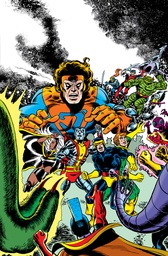
Micronauts: The Original Marvel Years Omnibus Vol. 1-2 at 1,632 pages is the toy-licence book that became genuine science fiction, covered from the writing side in our Bill Mantlo guide. Cockrum designed much of what that series looks like.
The whole shelf is on the Dave Cockrum page.
Where to start
One recommendation: Uncanny X-Men by Claremont Omnibus Vol. 1. It is the beginning of the modern X-Men, it needs nothing before it, and it is where every design he is remembered for first appears.
If you want the science fiction rather than the superheroes, Micronauts Vol. 1-2 is the surprise of the shelf.
Who should skip this shelf
This is 1970s Marvel and the pacing shows it: dense captions, dialogue that explains the action, and plots that wrap up quickly. Compared with the Claremont material that came a few years later, the storytelling here is much simpler.
His art is also gentler than what followed. Readers who associate the X-Men with the darker late-eighties look — the material in our Marc Silvestri guide — will find these pages bright and open in a way that can read as dated rather than as classic.

Comments
No comments yet. Be the first to share your thoughts.