In 1987 Marvel gave a fill-in writer a title nobody wanted, and he stayed on it for twelve years. What Peter David did with the Hulk in that time is the longest sustained piece of character work in mainstream superhero comics, and it is the reason his shelf is worth building rather than sampling.
What defines his writing
Psychology treated as plot. He wrote the Hulk's transformations as dissociative identity disorder and then brought in an actual therapist to work on it, on the page, for years. The superhero material continues around it, but the spine of the run is treatment.
Jokes inside serious books. He is genuinely funny, and the comedy is character-based rather than tonal relief. X-Factor is the clearest case: a team book where the humour comes from people who are exhausted by each other.
Dialogue that reveals rather than explains. His characters talk around what they mean and give themselves away. It is the skill that lets his books carry long stretches with no action at all.
Consequences kept. Changes in his runs stay changed. A character who breaks in volume two is still broken in volume five, and the accumulation is what makes the long runs pay.
The main event: the Hulk
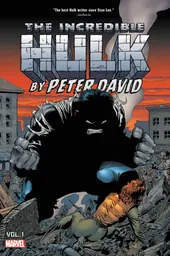
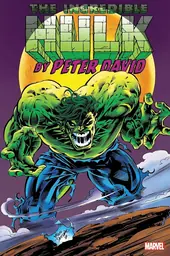
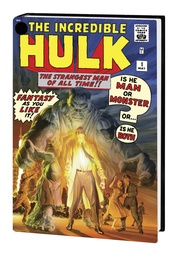
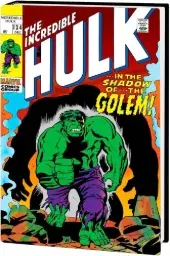
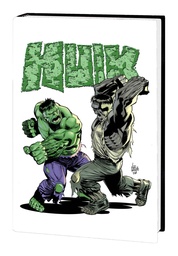
Incredible Hulk by Peter David Omnibus Vol. 1 at 1,003 pages opens the run, which continues across four further volumes, ending with a fifth at 904 pages.
The premise he inherited was a green monster who smashes. What he built was a study of a man split into personalities that hate each other, each with its own intelligence, appetite and history of abuse. The merged Hulk that emerges mid-run — smart, arrogant, physically enormous — is the version most readers of that era think of as definitive.
It is a long commitment and it is the rare superhero run that genuinely rewards reading in order, because the therapy plot only works cumulatively.
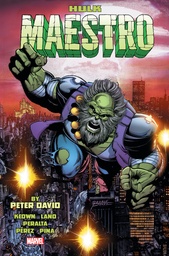
Hulk: Maestro by Peter David Omnibus at 960 pages collects the future-tyrant material, where the same character is the last man standing in a ruined world and enjoying it. It works as a standalone and it is the shortest way into his Hulk.
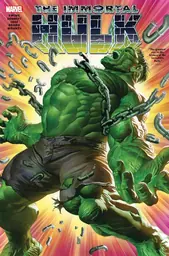
For the modern horror take on the same character, the Immortal Hulk guide covers the other essential Hulk purchase, and the two runs make an interesting pair: one treats the Hulk as a mind, the other as a body.
X-Factor
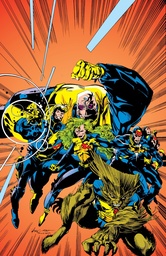
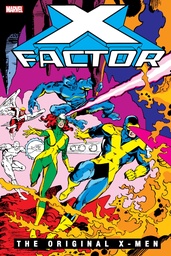
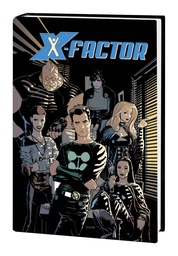
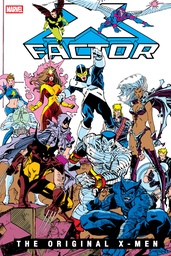
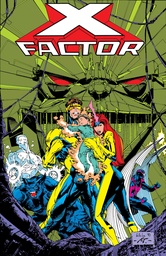
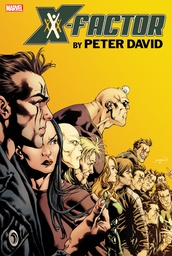
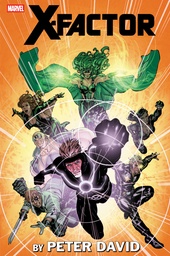
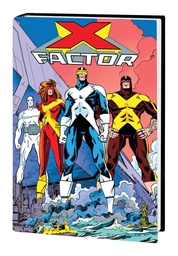
X-Factor by Peter David Omnibus Vol. 1 at 848 pages begins the run that continues across three further volumes.
This is the shelf's best argument for him as a team writer. The premise is a government mutant squad staffed by second-tier characters, and the book is essentially a workplace comedy about people with severe untreated problems. It contains one of the most quoted single issues in X-Men history, in which the entire team undergoes psychiatric evaluation and every session is both funny and devastating.
It requires very little X-Men knowledge. The characters are explained as they arrive.
Spider-Man 2099
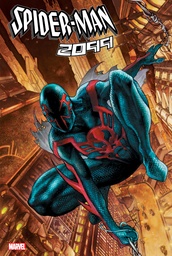
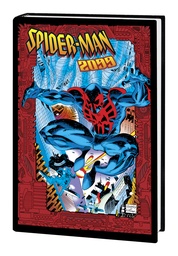
Spider-Man 2099 Omnibus Vol. 1 at 1,384 pages and a second volume at 1,256 pages collect the science fiction end of his career.
Miguel O'Hara is a corporate geneticist in a future run by companies, and the book is closer to cyberpunk than to superheroes: the villain is his employer, and the plot is about leverage rather than fights. If you know the character only from the films, the comic is considerably more political.
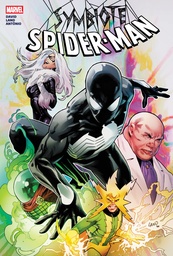
Symbiote Spider-Man by Peter David Omnibus at 632 pages is the later nostalgia work, set during the black-suit era.
For Marvel beyond this shelf, see the Peter David page.
Where to start
One recommendation: X-Factor Vol. 1. It is the shortest way to see what he does, the humour arrives immediately, and it does not ask for the twelve-year commitment the Hulk run does.
If you already know you want the Hulk, start at Vol. 1 and read forward. Starting in the middle of that run is the most common way people conclude it is overrated.
Who should skip this shelf
His books are talk-heavy by design. Fights are brief and often anticlimactic, and several of the best issues contain no action at all. The art across these runs is also of its period — solid late-eighties and nineties craft rather than anything stylistically ambitious — so readers buying for visuals will find it dated.
And the Hulk run is long. Five omnibus is a real investment, and its value depends entirely on caring about the psychology. If that premise sounds tedious rather than interesting, this is not your shelf.





Comments
No comments yet. Be the first to share your thoughts.