Two things on the Marvel shelf have outlived almost everything around them: Venom, and the idea that Tony Stark is an alcoholic. David Michelinie wrote both, decades apart, and he is still the least famous person on this list of guides.
His shelf is unusually easy to navigate because it splits into two clean halves.
What defines his writing
Character flaws with consequences. His Tony Stark does not have a drinking problem for one issue. It costs him the company, the suit and the people around him, and the recovery takes years of story.
Villains built to last. Venom works because the concept is simple and personal: a man who blames Spider-Man for his ruined life, wearing the thing Spider-Man threw away. That clarity is why the character survived when hundreds of nineties creations did not.
Serialised patience. He writes for the monthly rhythm: subplots simmer, supporting casts have their own weeks, and payoffs arrive when they have been earned rather than when the arc ends.
No stylistic showing off. The prose is plain and the structure conventional. He is a builder rather than a performer, which is why the ideas outlived the name.
The Spider-Man years
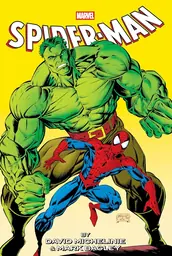
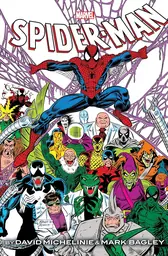
Spider-Man by Michelinie & Bagley Omnibus Vol. 1 at 1,040 pages and a second volume at 1,112 pages are the longest stretch of his run, drawn by the artist covered in our Mark Bagley guide.
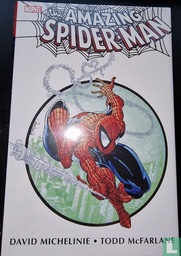
Amazing Spider-Man by David Michelinie and Todd McFarlane Omnibus at 856 pages is the earlier and more famous pairing, and it is where Venom first appears in full.
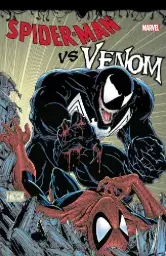
Spider-Man Vs. Venom Omnibus at 1,160 pages gathers the character's arrival across titles, and the wider Venom shelf is explained in our Venom omnibus guide, which matters because several books use the name for completely different material.
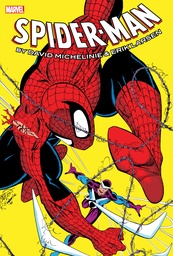
Spider-Man by Michelinie & Larsen Omnibus at 888 pages completes the run.
The Iron Man years
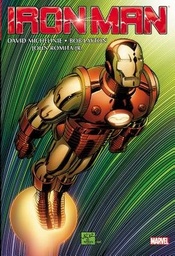
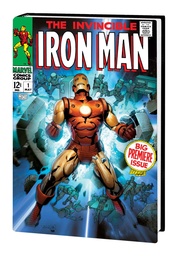
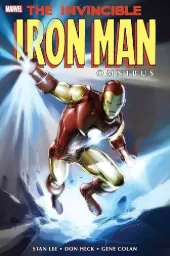
Iron Man by Michelinie, Layton & Romita Jr. Omnibus Vol. 1 contains Demon in a Bottle, the story that turned a billionaire in a suit into a character with a problem money cannot fix.
It is worth being clear about what that story is and is not: it is short, it is early, and the alcoholism is handled with the bluntness of its era. What makes it matter is everything it made possible afterwards — no version of Tony Stark since has been written without it.
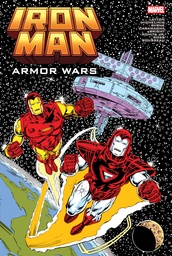
Iron Man: Armor Wars Omnibus at 768 pages is the other landmark: Stark discovers his technology has been stolen and goes after it, ignoring law, allies and consequences. The art side is in our John Romita Jr. guide.
The whole shelf is on the David Michelinie page.
Where to start
One recommendation: Amazing Spider-Man by Michelinie and McFarlane. It is the most famous work on the shelf, it contains Venom's first full appearance, and McFarlane's art makes it the easiest of these volumes to read cold.
If Iron Man is your character, Armor Wars is the stronger complete story and Demon in a Bottle is the historically important one.
Who should skip this shelf
This is mainstream Marvel from the late seventies through the early nineties, and it reads like it: thought balloons, expository captions, and a plot rhythm built around monthly instalments rather than collected volumes. Read in one sitting, the recaps become repetitive.
The Iron Man material in particular is early enough that the treatment of addiction is of its time. It was groundbreaking then and it is blunt now, and a reader coming to it expecting modern nuance will find it thin.




Comments
No comments yet. Be the first to share your thoughts.