There is a specific job in mainstream comics: the artist a publisher assigns when a story has to feel like an event, carry forty characters, ship monthly and not fall apart. At DC for the best part of two decades, that job has been Ivan Reis's.
Before anything else, the buying note that matters most on this shelf: almost everything he has drawn was written by one man. If you already own the Geoff Johns books, you already own most of the Ivan Reis books.
How to recognise a Reis page
Crowds you can actually read. Forty figures in a spread and every one identifiable by silhouette and posture. It is the rarest skill in superhero art and it puts him in a direct line from the artist we cover in the George Pérez guide.
Weight and volume. His figures occupy space: correct anatomy, real drapery, bodies that have mass when they land. Nothing floats, which is why his fights read as physical rather than choreographed.
Faces that carry the quiet scenes. For an artist known for spectacle, his best panels are often two people talking. He draws grief and doubt without exaggeration, and it is why the emotional beats in the big events land at all.
Polish without stiffness. Highly finished pages that still move. The technical control never turns into the posed, airless look that catches out a lot of detail-heavy artists.
The partnership that defines the shelf
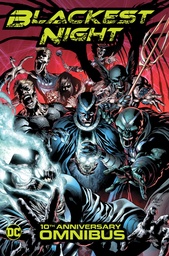
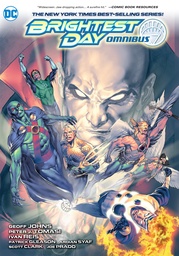
Blackest Night Omnibus at 1,664 pages is the book he will be remembered for: a line-wide event built almost entirely on his ability to stage enormous casts without losing the thread.
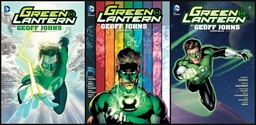
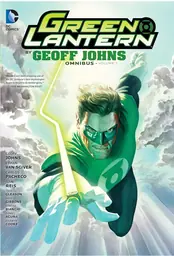
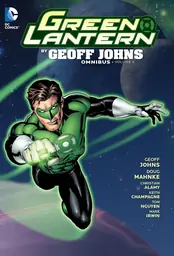
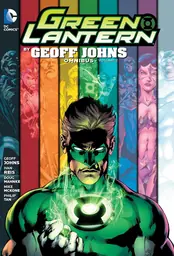
It grows out of the Green Lantern run, available as individual volumes and as a three-volume set, which is the spine of his career and the best sustained showcase of what he does. The writing side of all this is mapped in our Geoff Johns guide.
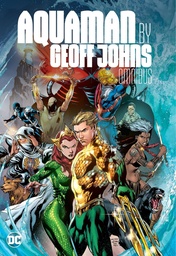
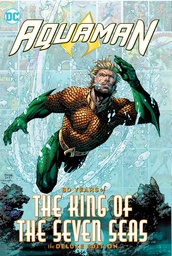
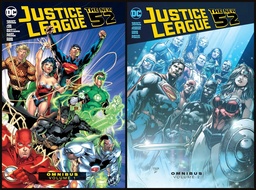
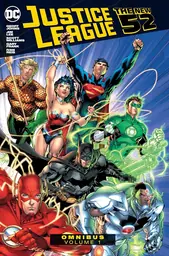
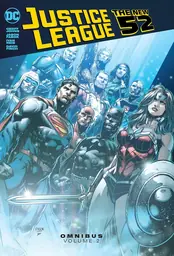
The same partnership produced Aquaman by Geoff Johns Omnibus at 728 pages — the run that made the character credible again, and the one where Reis gets to draw water, scale and menace rather than crowds — plus the New 52 Justice League volumes.
The overlap, stated plainly
Seven of the books here are Geoff Johns collaborations. If you are building a Johns shelf and a Reis shelf as separate projects, you are buying the same books twice over. Decide which of the two you are actually collecting before you start, because the answer changes what you buy.
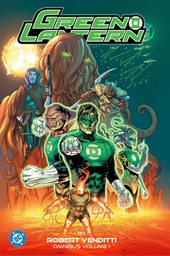
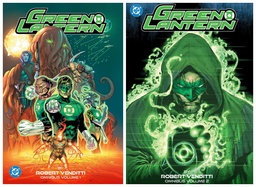
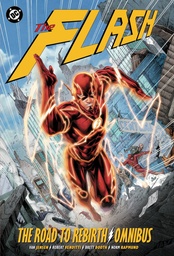
What is genuinely his and not Johns's: The Flash: The Road to Rebirth Omnibus at 904 pages, Green Lantern by Robert Venditti Omnibus Vol. 1 at 856, and the Titans volume written by an author we cover in the Tom Taylor guide.
Which of these can be bought at any given moment changes constantly, so the Ivan Reis page is where to check availability rather than this article.
Where to start
One recommendation: Blackest Night. It is the clearest single demonstration of what he is for, it works as a self-contained event, and it is the book that will tell you whether large-cast spectacle is something you want on the shelf.
If you would rather see him with room to breathe, take Aquaman instead: smaller cast, more atmosphere, and the run where his storytelling gets more credit than his headcount.
Who should skip this shelf
Two honest reasons. First, the overlap above: if you collect by writer, this shelf is largely redundant with one you may already have. Second, his work is company-house art at the highest level rather than a personal style — polished, controlled, made to serve the story rather than to announce itself. Readers who collect artists for idiosyncrasy, for a line you could pick out across a room, will find him excellent and impersonal.



Comments
No comments yet. Be the first to share your thoughts.