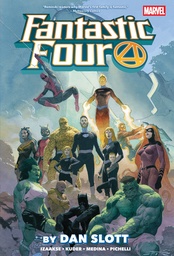
Fantastic Four by Jonathan Hickman is not just another important Marvel run collected in two big hardcovers. It is the moment where the Fantastic Four stop feeling like a normal superhero team and become the emotional laboratory for Hickman's Marvel: family, impossible science, future history, children who know too much, and consequences that arrive long after the first idea looked harmless.
That is the reason this key run matters for collectors. You are not buying it only because it leads toward bigger Hickman books later. You are buying it because this is where many of his recurring obsessions become human. Reed Richards does not simply want to win. He wants to solve everything. The run keeps asking whether that desire is heroic, arrogant, necessary, dangerous, or all of those at once.
What the two omnibus volumes collect
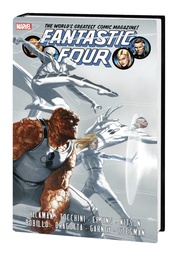
The first omnibus collects Dark Reign: Fantastic Four #1-5, Fantastic Four #570-588, FF #1-5 and material from Dark Reign: The Cabal #1. The second omnibus continues with FF (2011) #6-23, Fantastic Four (1998) #600-611 and #605.1. In practical collector terms, that means the two volumes are designed as one long shelf story, not two unrelated samplers.
That matters because Hickman's Fantastic Four is a run of construction. Vol. 1 is where the machinery appears: the Council of Reeds, the War of Four Cities, the Future Foundation, the larger role of Franklin and Valeria, and the idea that family is not a soft theme but the engine of the plot. Vol. 2 is where the machinery starts paying off: Doom, Galactus, the Kree, the Inhumans, Annihilus, the Mad Celestials and the Future Foundation all stop feeling like separate ingredients and start feeling like one enormous system under pressure.
Why this is a key run, not just a reading order stop
A normal reading guide can tell you that Hickman wrote Fantastic Four before Avengers, New Avengers and Secret Wars. That is useful, but too shallow. The real reason to read this era is that it shows Hickman using cosmic scale without losing the family at the center. The run is huge, but its best question is intimate: what does a family do when one of its members believes the future can be engineered?
Reed is the obvious center, but the run works because it refuses to make him the only point. Sue becomes political and strategic. Johnny's place in the story is not just comic relief. Ben remains the emotional weight of the team. Valeria is terrifyingly smart in a way that changes the balance between adults and children. Franklin is not just "the powerful kid"; he becomes a time-shaped promise and warning.
That is why the run has stayed important. Hickman brings the big conceptual toys, but the book only lands because the Fantastic Four are a family before they are a brand. The science fiction is not decoration. It is a pressure test for whether the family can survive its own genius.
Vol. 1 as a buying decision
Fantastic Four by Jonathan Hickman Omnibus Vol. 1 is the volume to buy if you want the promise, the invention and the sense of discovery. It begins with Reed looking at the world as a problem to be solved, then keeps widening the map until the Fantastic Four are dealing with alternate Reeds, hidden civilizations, old Marvel powers and a new generation of genius children.
The pleasure of Vol. 1 is watching the run become itself. It is not instantly simple. Hickman introduces ideas with the confidence of someone who expects you to remember them later. That can feel demanding if you want a clean villain-of-the-month superhero book. But if you like long-form Marvel architecture, this is exactly the attraction: every strange idea feels like it may become load-bearing.
Buy Vol. 1 first if you are testing the run. It gives you the thesis, the cast expansion and the emotional turn into Future Foundation. It is also the volume that tells you whether Hickman's rhythm works for you: big ideas, quiet family beats, delayed answers and a constant sense that the future is already moving under the floor.
Vol. 2 as payoff
Fantastic Four by Jonathan Hickman Omnibus Vol. 2 is less about introduction and more about consequence. This is where the Future Foundation is no longer just a new status quo, where the Council of Reeds and the Mad Celestials matter, and where Doom becomes more than the expected Fantastic Four villain in the room.
The second volume is also where the run rewards patient readers. The War of Four Cities, the Inhumans, the Kree, Annihilus, Galactus and the larger Future Foundation material can sound like a pile of Marvel proper nouns if listed cold. In context, they become part of the same pressure system. Hickman's trick is not simply scale. It is that the scale keeps turning back toward family obligation, sacrifice and the danger of intelligence without humility.
For most collectors, Vol. 2 should not be the first purchase unless Vol. 1 is unavailable and you already know the run. It is the completion volume. It is the one that makes the first book feel more intentional in retrospect.
How much continuity do you need?
You do not need to have read every classic Fantastic Four run before this. The book explains enough through momentum, and the core emotional idea is easy to understand: this is a family of explorers trying to survive the consequences of impossible ambition. That said, Hickman does not write like he is rebuilding the team from zero. He writes as if the Fantastic Four already matter.
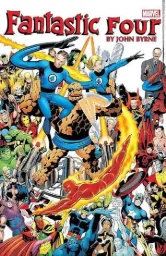
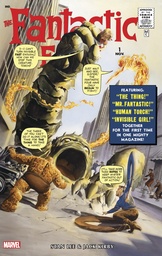
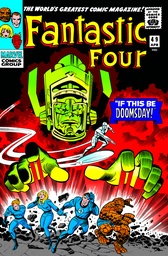
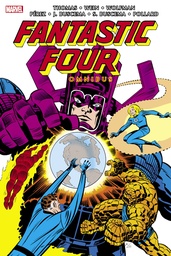
If you know Lee and Kirby, Byrne or Waid and Wieringo, you will feel more of the inheritance. If you do not, the run still works, but you should expect density. This is not the lightest Fantastic Four entry point. For a broader shelf map, our Fantastic Four omnibus reading guide is the better route. This post is specifically about why the Hickman era earns key run status.
The Hickman shelf
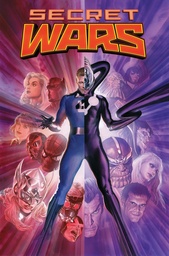
The dangerous lazy sentence is: "Read this because it leads to Secret Wars." There is truth around that, but it is not the best reason. Hickman's Fantastic Four matters because it teaches you his Marvel grammar: futures speaking backwards, institutions becoming characters, families trapped inside systems, and ideas that look abstract until they demand a personal cost.
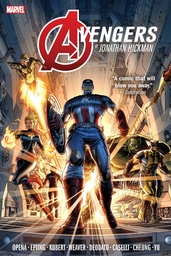
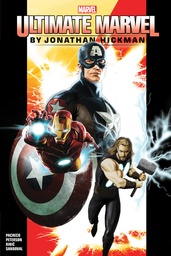
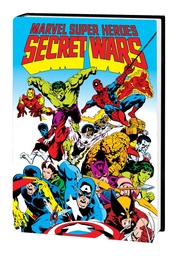
So yes, this run belongs near Avengers, New Avengers and Secret Wars on a Hickman shelf. But it should not be reduced to homework for later events. It has its own emotional center. If anything, reading it first makes the later cosmic architecture feel less cold, because you have already seen Hickman build the biggest ideas out of family pressure.
Buy, wait or skip?
- Buy if you want the definitive modern Fantastic Four key run in omnibus format.
- Buy if you like long payoffs, Future Foundation, Doom, Galactus, alternate Reeds and Marvel stories that reward memory.
- Buy Vol. 1 first if you are testing Hickman's rhythm and want the cleanest entry point into the era.
- Buy both if you already know you want the full architecture; the second volume is the payoff, not an optional side route.
- Wait if you want classic Fantastic Four first, especially Lee/Kirby, Byrne or Waid.
- Skip for now if you want light, episodic superhero comics with minimal continuity weight.
Omnibus Store verdict
Fantastic Four by Jonathan Hickman is a key run because it understands the Fantastic Four as a family whose imagination is both gift and threat. The run is cosmic, but not empty. It is intellectual, but not bloodless. Its best ideas matter because they create emotional debt.
For collectors, the recommendation is strong but specific. Buy it if you want a patient, architectural Marvel saga that uses the Fantastic Four to think about future, family and responsibility. Do not buy it just because someone told you it is "important before Secret Wars." Buy it because you want to watch Marvel's First Family become the blueprint for Hickman's bigger universe.
Quick collector answer
Fantastic Four by Jonathan Hickman Omnibus Era Guide: Family, Future Foundation and Secret Wars Roots is built as a structured answer for building a Fantastic Four in omnibus format collection without buying at random. The guide helps clarify reading order, major eras and the purchases that make the most sense for a European reader.
Frequently asked questions
Is Fantastic Four by Jonathan Hickman Omnibus Era Guide: Family, Future Foundation and Secret Wars Roots a good starting point?
Yes if the subject matches your reading priority. The most important choice is an omnibus you genuinely want to read and keep, not only a popular or hard-to-find volume.
Do you need to know all continuity before reading this kind of omnibus?
Not necessarily. Major US omnibuses mainly ask you to understand the era and tone of the run. A guide or review helps clarify whether the volume is standalone, modern, classic or more connected to other events.
Does reading the original English edition change the experience?
For many collectors, yes. The original English edition preserves dialogue, arc titles and the US format, which keeps the shelf more consistent when comparing multiple Marvel or DC runs.
Why compare European stock with US imports?
Because an omnibus is heavy, expensive to ship and vulnerable to damaged corners. For buyers in France or Europe, delivered price, packing, tracking and returns matter as much as the listed price.
What should you read after this post?
The best next step is usually inside the same reading cluster: a character guide, a related run review or a buying comparison. That builds a logical shelf instead of stacking volumes with no clear order.


Comments
No comments yet. Be the first to share your thoughts.