Fantastic Four by John Byrne is the run that reminds Marvel why the Fantastic Four works as family adventure rather than just superhero property. It restores the Baxter Building feeling: invention, domestic tension, cosmic danger, Reed's impossible ideas, Sue's growing authority and a sense that the team is always one experiment away from changing the world.
The run matters because it understands the Fantastic Four as a machine with several engines. It needs family comedy, exploration, scientific arrogance, monsters, gods, rivals and home life. Byrne's strength is making those pieces feel like one tradition instead of separate genres.
What This Run Restores
Byrne brings back the idea that the Fantastic Four should feel bright, strange and emotionally legible at the same time. The book is not only about villains. It is about a family whose public role, private conflicts and scientific curiosity keep creating new problems.
That makes the run a useful shelf for collectors who want the FF concept in a very concentrated form. It is classic without being static: familiar elements return, but the characters still move, argue and reassert why the team is Marvel's foundation family.
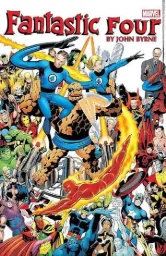
Vol. 1: The Baxter Building Energy Returns
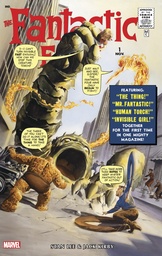
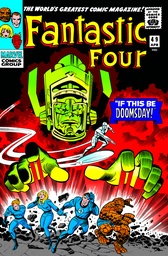
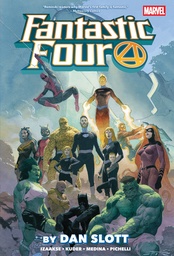
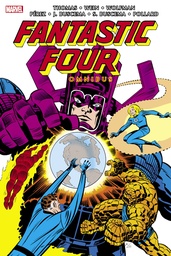
Fantastic Four by John Byrne Omnibus Vol. 1 is the natural starting point because it rebuilds the run's language. The team feels like explorers again, but not in a museum sense. The danger is cosmic, domestic and personal, often in the same stretch of story.
Read this volume for tone. It tells you whether you want the Fantastic Four as a family laboratory: funny, tense, brilliant, irresponsible and heroic all at once.
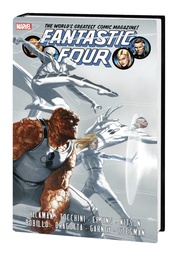
Vol. 2: The Run Becomes A Full Era
Vol. 2 completes the shelf by showing that the restoration has endurance. The book is no longer only proving that the FF can feel classic again; it is operating as a full Marvel era with its own rhythm and stakes.
For collectors, the two volumes work best together. Vol. 1 gives the renewed engine; Vol. 2 gives the breadth. Splitting them too casually weakens the point of owning the Byrne era as a coherent run.
What To Read It For
Read it for Sue, family pressure, big science, Doctor Doom/Galactus-scale mythology and the feeling that a superhero comic can be domestic and cosmic without choosing one side. The best Fantastic Four runs make the home feel as important as deep space. Byrne understands that.
Who Should Buy It?
- Buy it if you want one of the cleanest classic-modern Fantastic Four shelves.
- Start with Vol. 1 if you want to test Byrne's tone before committing to both books.
- Wait if you only want modern decompressed FF or a purely event-driven Marvel shelf.
How It Fits On The Shelf
Byrne fits between the Lee/Kirby foundation and later modern restorations such as Waid or Hickman. That position matters. The run is not inventing the Fantastic Four from scratch, but it proves that the original formula can still feel active when handled with conviction.
If your FF shelf is about the full identity of the team, Byrne is one of the central bridges. It keeps the family-adventure engine visible while giving Sue, Reed and the wider mythology enough movement to avoid feeling like pure preservation.
Reader Profile
This is for readers who want old-school Marvel energy with sharper craft than a simple nostalgia trip. It rewards people who enjoy family tension, cosmic stakes and superhero science sharing the same room. It is less ideal if you only want decompressed modern pacing or a single clean event arc.
Mistakes To Avoid
- Do not buy it only as a historical checkbox; buy it because you want the FF formula working at full strength.
- Do not skip Vol. 2 if you want the era rather than a sample.
- Do not expect the book to separate family drama from cosmic adventure. The blend is the point.
The practical rule is simple: if Lee/Kirby is the origin and Hickman is the modern architecture, Byrne is the restoration that keeps the classic machine readable for collectors who want a strong middle shelf.
Collector Verdict
Vol. 1 and Vol. 2 are not just nostalgia buys. They are one of the strongest ways to own the Fantastic Four as an idea: family, invention, danger and wonder held together by craft.

Comments
No comments yet. Be the first to share your thoughts.