Ed Brubaker writes crime fiction. He has occasionally been handed a character who wears a costume, and each time he has responded by writing crime fiction anyway, which turns out to be the most durable thing anyone did with those characters in twenty years.
His shelf is smaller than the other big modern writers here and it is the one with the highest hit rate. There is very little on it that is merely fine.
What defines his writing
Consequences that do not get undone. Genre comics reset. Brubaker's do not, or at least they behave as though they will not, and the tension that produces is most of the pleasure. He is the writer most willing to leave a character permanently changed.
Procedure over spectacle. Plots advance through surveillance, informants, files, people making deals they should not. Fights happen, but they are outcomes rather than events.
The past is the antagonist. Almost every run he writes is about something buried resurfacing. It is the structure of noir, applied to characters who have sixty years of buried material to draw on.
Long partnerships with one artist. Like the best runs on these shelves, his are collaborations that stayed put long enough to develop a shared language.
The masterpiece: Captain America
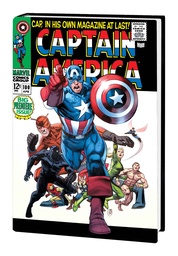
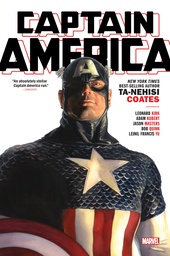
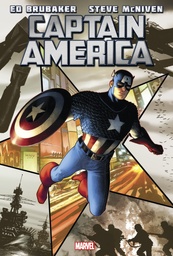
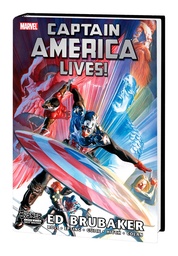
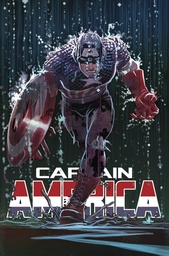
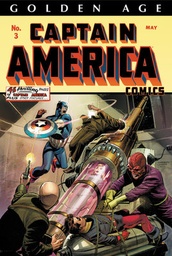
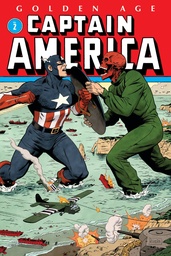
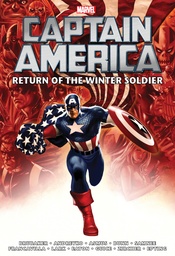
Captain America by Ed Brubaker Omnibus Vol. 1 opens the run that reintroduced Bucky Barnes as the Winter Soldier, and continues through the omnibus covering the death of Captain America, the trial, and the return of the Winter Soldier.
This is the run that a generation of readers and one very successful film franchise took their version of the character from. What makes it work is the refusal to treat Captain America as a symbol: it is a spy story about a man whose best friend was turned into a weapon while he was frozen, and the plot moves at the speed of an investigation rather than an event.
It is also, unusually for superhero comics, a story with a beginning, a middle and a real ending across its volumes.
Daredevil, after Bendis
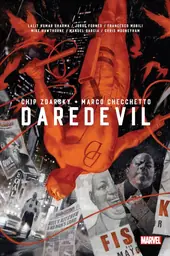
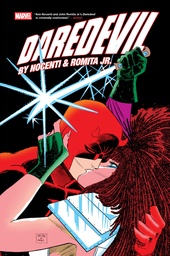
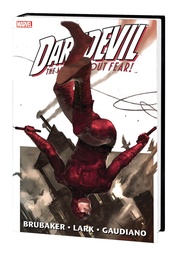
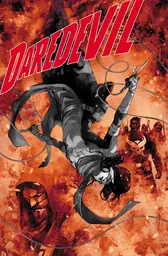
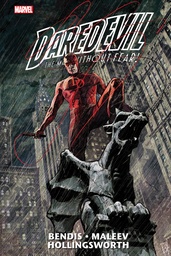
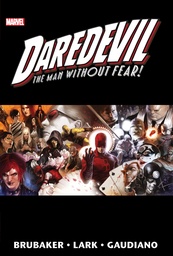
Daredevil by Ed Brubaker Omnibus Vol. 1 at 608 pages and a second volume at 472 pages pick up immediately after the run covered in the Brian Michael Bendis guide, with Matt Murdock in prison and the situation already unsalvageable.
Taking over a celebrated run is usually a losing position. This is the exception, and the reason is that Brubaker did not try to change the register: he inherited a crime comic and kept writing one, with Michael Lark drawing it in the same grounded key.
The DC years
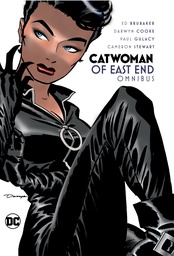
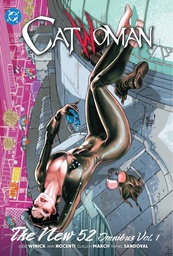
Catwoman of East End Omnibus at 1,064 pages is the most underrated book on this shelf. It rebuilds Selina Kyle as a protagonist rather than a foil, gives her a neighbourhood to be responsible for, and reads like a proper crime series with a lead who happens to have a costume.
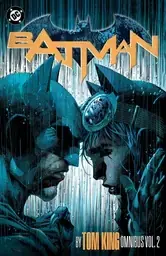
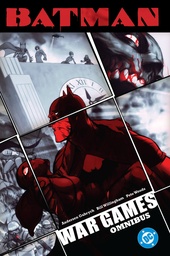
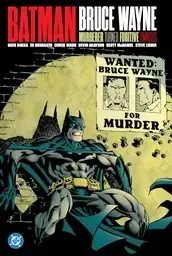
Batman: Bruce Wayne — Murderer Turned Fugitive Omnibus at 600 pages and Batman: War Games Omnibus at 1,120 pages collect the Gotham crossovers of that period. Be clear on what these are: multi-title events with rotating writers, where he is one contributor. They are worth owning as a picture of that era, not as Brubaker books.
The Wildstorm material sits apart from both shelves and belongs to a different corner of his career.
This article does not track stock. The Ed Brubaker page does, and it puts the obtainable titles at the top.
Where to start
One recommendation: Captain America by Ed Brubaker Omnibus Vol. 1. It needs no previous reading, it is the best-known thing he has done for good reason, and it demonstrates the whole method inside a hundred pages.
If superheroes are the obstacle rather than the draw, start with Catwoman of East End, which is the closest thing on the shelf to a straight crime series.
Who should skip this shelf
The tone is uniform and deliberately unglamorous. Nobody on these pages is having a good time, the palette is grey and brown by design, and the pleasures are patience and payoff rather than spectacle or invention. If what you want from superhero comics is scale, colour and cosmic ideas, this shelf will read as a well-made television drama you did not ask for.




Comments
No comments yet. Be the first to share your thoughts.