Chip Zdarsky built a reputation on comedy — jokes, parody, deliberately silly premises — and then took over Daredevil and wrote the most sustained argument about guilt and responsibility that mainstream superhero comics have produced this century. It is one of the strangest career turns in the medium, and it is why this shelf is worth paying attention to.
What defines his writing
Consequences that are not undone. His central move is to let a hero do something unforgivable and then refuse to write the escape hatch. The story becomes about living with it. Most superhero comics reset; his do not, and that is the whole engine.
Institutions as characters. The church, the prison system, the police, the court. He writes the machinery that surrounds a hero and asks whether punching things inside a broken system does any good at all.
Comic timing used for tragedy. The comedy background never left. His dialogue is precise and well-paced, and he uses that timing to land emotional blows rather than jokes — a beat of levity immediately before something terrible is a signature.
Big structural risks. He changes the premise hard: a protagonist in prison, an identity given away, a status quo that does not come back. If you like a character kept safe, he is not for you.
The run that matters
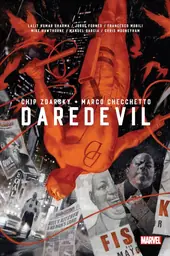
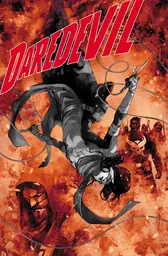
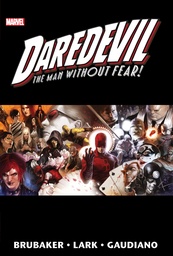
Daredevil by Chip Zdarsky Omnibus Vol. 2 at 776 pages continues the run that begins in Vol. 1 at 704 pages, which we reviewed separately in our Daredevil Vol. 1 review.
The premise is the cleanest statement of everything above: Matt Murdock kills a man by accident and decides that a lawyer who believes in the law has to face the law. What follows is a long interrogation of whether the whole vigilante project is defensible. It is the best superhero comic of its decade and the reason people take him seriously.
If you buy one Zdarsky book, start at Vol. 1 and read forward.
Batman and Spider-Man
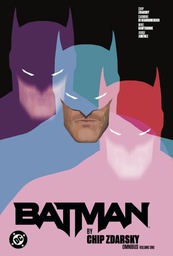
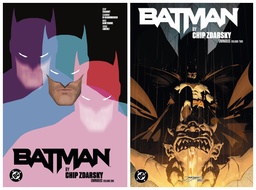
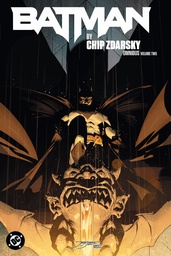
Batman by Chip Zdarsky Omnibus Vol. 1 at 744 pages applies the same instincts to a character with more armour: what Batman costs the people around him, and what happens when he cannot fix it. Where it sits among the alternatives is set out in our ranked guide to the best Batman omnibus.
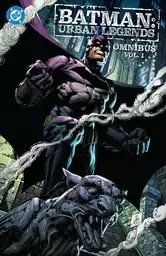
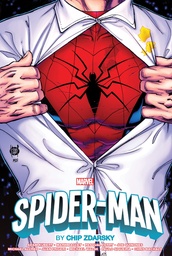
Spider-Man by Chip Zdarsky Omnibus at 936 pages is the lighter end of his range and the closest thing here to his comedy roots, though it still lands harder than it looks. Batman: Urban Legends Vol. 1 is an anthology where he is one contributor among several.
Which of these can be bought at any given moment changes constantly, so the Chip Zdarsky page is where to check availability rather than this article.
Where to start
One recommendation: Daredevil Vol. 1. It requires nothing beforehand — knowing Matt Murdock is a blind lawyer who fights crime is enough — and within a hundred pages you will know whether the moral seriousness works on you or feels heavy.
If you want the same writer at half the weight, take Spider-Man instead.
Who should skip this shelf
He is not a comfort read. His stories are built on characters failing in ways that stay failed, and he is more interested in the argument than in the fight. If what you want from superhero comics is escape, competence and a hero who wins clean, this shelf will feel like homework about guilt. That reaction is common and it is not wrong.


Comments
No comments yet. Be the first to share your thoughts.