X-Factor looks simple from a distance and becomes complicated the moment you try to buy it. The line has two major identities that do not solve the same reader problem: the original five X-Men returning to a public mutant role, and Peter David rebuilding X-Factor as a stranger, sharper, more damaged team book.
That is why the best X-Factor omnibus route is not just “start at Vol. 1.” It depends on what you want from the shelf. If you want classic X-continuity, the Original X-Men volumes matter. If you want voice, friction, investigations and a team that feels slightly broken before the mission begins, Peter David is the more natural first buy.
This guide separates those two routes, explains what each shelf is actually for, and gives a practical buying order for readers who want one good start, one historical route, or the full X-Factor line.
Start with Peter David Vol. 1 if you want the clearest modern X-Factor identity. Start with Original X-Men Vol. 1 if you want the historical reunion of Cyclops, Jean Grey, Beast, Iceman and Angel. Do not mix the two routes as if they have the same tone.
The Two X-Factor Routes
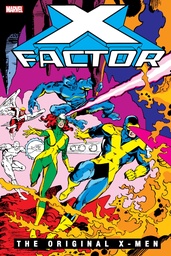
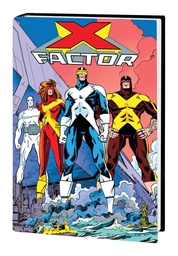
The first route is historical. X-Factor: The Original X-Men Omnibus Vol. 1, Vol. 2 and Vol. 3 are about the first X-Men trying to operate in a changed mutant world. Odoo production data frames these books around the original team reunion, public image, mutant spectacle, emotional wounds and the late-1980s momentum of the X-line.
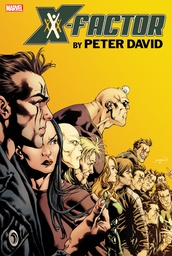
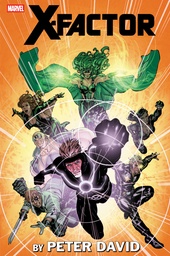
The second route is author-led. X-Factor by Peter David Omnibus Vol. 1 begins a government-sponsored team led by Havok, with Polaris, Strong Guy, Multiple Man, Wolfsbane and Quicksilver in a book built on voice, workplace friction and noir-tinged investigations. Vol. 2, Vol. 3 and Vol. 4 deepen that slow character burn.
The mistake is treating those shelves as one straight mood. They share the X-Factor name, but they do different work. Original X-Men is about returning legends under public pressure. Peter David is about professionals, insecurity, secrets, cases and jokes that usually hide damage.
Route 1: The Original X-Men Shelf
Choose the Original X-Men route if your main collection is already built around classic X-Men continuity. This route matters because it puts Cyclops, Jean Grey, Beast, Iceman and Angel back into a public mutant role instead of treating them as museum pieces from the franchise origin. The team is familiar, but the situation is not comfortable. The book is about image, responsibility, fear, old affection and the strange pressure of being the first generation in a world that keeps changing without you.
Original X-Men Vol. 1 is the correct starting point for this route. It gives the shelf its premise: the first X-Men are together again, but the Marvel mutant landscape has moved on. That tension is the point. The book is not simply nostalgia. It asks whether the original team can still function when public mutant panic, adult relationships and the broader X-line have become heavier than the old school days.
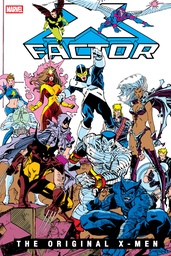
Original X-Men Vol. 2 is for readers who want the reunion to become more than a premise. Odoo frames this second life around old friendships, romantic wounds, public fear and mutant spectacle. That is useful context: the drama is not only external. The shelf works because the team members know one another too well, and the old bonds do not automatically make the new situation easy.
Original X-Men Vol. 3 is the continuation for collectors who want the late-1980s pressure and personal fracture. This is not the first purchase unless you are already committed to the historical line, but it becomes important if your goal is a full bridge between the classic X-Men legacy and later mutant-team publishing.
Route 2: Peter David's X-Factor
Choose Peter David first if you want the book that feels most like its own thing. The production data for Peter David Vol. 1 points to a government-sponsored mutant unit led by Havok, with Polaris, Strong Guy, Multiple Man, Wolfsbane and Quicksilver. That cast already tells you the book is not trying to be the central X-Men stage. It is a side room where personalities scrape against each other.
The appeal of this route is voice. Peter David's X-Factor is funny, suspicious, wounded and structurally odd in a way that makes the team feel like a workplace full of people who are not healed enough to be professional, but are professional enough to keep showing up. The investigations give the book shape; the friction gives it memory.
Peter David Vol. 2 continues the government-team era with the same sharp, funny, wounded and strange energy. Vol. 3 leans into investigations, fractured trust and humor hiding damage. Vol. 4 is for the collector who wants the deeper fallout: secrets, emotional mess and broken professionals whose cases expose personal fault lines.
This is the better first route for many modern readers because it has a clearer identity outside the main X-Men machine. It does not require you to love every classic mutant event before enjoying the character dynamics. It asks whether a team can function when every member brings a different insecurity into the room.
Common Buying Mistakes
The first mistake is buying an Original X-Men volume because you heard Peter David's X-Factor is great. Those are different pleasures. If you want the detective/workplace/team-friction identity, start with Peter David. If you want the first generation of X-Men wrestling with public mutant identity, start with Original X-Men.
The second mistake is skipping to the final Peter David volume because it is available. Do not do that unless you already know the run. Peter David's X-Factor is a cumulative character shelf. Later fallout matters because earlier trust, insecurity and jokes have done quiet work.
The third mistake is expecting X-Factor to replace an X-Men shelf. It does not. It sits beside it. Original X-Men gives historical pressure; Peter David gives a separate voice. Together they make the X-corner feel wider, but neither is a universal substitute for the central X-Men books.
Recommended Reading Order
If you want the cleanest modern route, read Peter David Vol. 1, then Vol. 2, Vol. 3 and Vol. 4. That gives you the strongest author-led shelf and the clearest tonal identity.
If you want the historical route, read Original X-Men Vol. 1, Vol. 2 and Vol. 3 before moving to Peter David. That makes sense if you care about franchise progression and want to see the X-Factor name evolve from original-team public role to a stranger institutional team.
If you only want one book to test the line, choose Peter David Vol. 1. It is the most useful first purchase because it tells you whether you like X-Factor as a voice-driven team rather than merely as an X-Men branch.
Choose Your X-Factor Shelf
The right first omnibus depends on which X-Factor identity you want.
Modern voicePeter David Vol. 1
Start here for investigations, friction, jokes with bruises and a team identity that stands apart from the main X-Men line.
Original five returnOriginal X-Men Vol. 1
Choose this if you care about Cyclops, Jean Grey, Beast, Iceman and Angel trying to matter again in a changed mutant world.
Two shelves, two identitiesFinish Peter David
Build the original-team trilogy first, then Peter David's four-volume shelf, if you want the full evolution of the name.
Late-volume samplingDo not jump to Vol. 4
The late Peter David books rely on accumulated emotional mess; they are better as payoff than as first taste.
Final Route
The best X-Factor shelf for most readers is Peter David first, then the Original X-Men route if the historical side of the name matters to you. The best X-Factor shelf for X-Men completists is the reverse: original trilogy first, then the David volumes. Either way, the key is respecting the split. X-Factor is not one tone. It is a name that changes meaning, and the collection becomes better when you let each identity do its own job.



Comments
No comments yet. Be the first to share your thoughts.