Wolverine is not collected like a clean straight line. His omnibus shelf is split between the classic solo run, famous creator-driven blocks, X-Men-adjacent material, future versions of Logan, Laura Kinney, Daken and modern event stories. That can make the character look more chaotic than he really is. This guide gives the collection a shape: the essential Logan spine, the best first purchases, and the side shelves that matter once the core is in place.
Before You Start: Wolverine Has a Core Shelf and Several Side Shelves
The safest way to collect Wolverine is to treat the numbered Wolverine Omnibus line as the classic backbone, then add creator or character shelves around it. If you want original solo Logan, start with Vol. 1. If you want a sharp modern blockbuster, start with Mark Millar. If you want the wider Wolverine family, Laura Kinney and Daken have their own place.
Wolverine also has one important trap: not every famous Wolverine omnibus is meant to be a first read. Some books are brilliant because you already know the character. Others are useful because they fill continuity space. The order below is a buying guide, not a punishment checklist.
The Claremont and Miller Breakthrough (1982-1988)
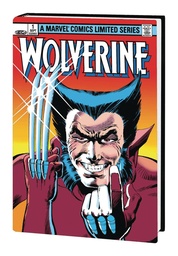
The modern solo Wolverine begins with the Chris Claremont and Frank Miller Japan limited series. It turns Logan into something more precise than the dangerous X-Man: a ronin figure caught between violence, honour, shame and desire. That story defines how later creators understand him, especially when they write Japan, Mariko, the Hand and Logan's code.
The first solo ongoing then expands that identity into Madripoor, Patch, crime stories and noir-adventure energy. It is still unmistakably connected to the X-Men, but it proves Wolverine can carry a book outside the team.
Collected in Wolverine Omnibus Vol. 1. Collector verdict: the best historical starting point and the cleanest first Wolverine omnibus.
The Larry Hama Years: The Classic Ongoing Becomes the Spine (1990-1997)
Larry Hama's long run is the heart of classic solo Wolverine. It builds the character's voice, damage, enemies and recurring obsessions across a huge stretch of the 1990s. Sabretooth, Weapon X fallout, memory trauma, family questions and brutal survival stories become regular parts of the book's language.
This era is uneven in the way long 1990s runs often are, but it is also where Wolverine becomes a durable solo franchise rather than a brilliant side character. If you want the real classic shelf, this is where the spine lives.
Continue with Wolverine Omnibus Vol. 2, Vol. 3, Vol. 4, Vol. 5 and Vol. 6. Collector verdict: essential for classic Wolverine collectors, but better after Vol. 1 proves you enjoy the solo tone.
One caveat on the order: Larry Hama's run starts at Wolverine #31, which is Vol. 3. Vol. 2 collects issues #11-30 by Peter David, Archie Goodwin and Jo Duffy, so it is the bridge era before him rather than part of the Hama years.
The Late Ongoing and the Weapon X Echoes
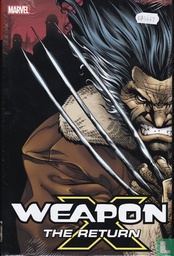
The numbered line does not stop at Vol. 6: Wolverine: Not Dead Yet Omnibus closes out the 1988 ongoing with issues #119-158, so it belongs to the same sequence rather than to a separate shelf. Not Dead Yet is a useful concentrated slice of late-1990s Logan, with crime, revenge and survival at the centre. Weapon X: The Return belongs more to the mythology shelf: experiments, black-ops damage and the machine that keeps trying to turn Logan into property.
These are not the first books I would hand to a new reader, but they make sense once the core solo identity is already familiar.
Look at Wolverine: Not Dead Yet Omnibus and Weapon X: The Return Omnibus. Collector verdict: strong secondary shelves, especially for readers who want the harder-edged parts of the mythology.
Mark Millar: Enemy of the State and Old Man Logan
Mark Millar gives Wolverine two very different but very marketable shapes. Enemy of the State, with John Romita Jr., is the high-concept action version: Wolverine turned into a weapon against the Marvel Universe. It is big, fast and easy to recommend to someone who wants a self-contained modern blockbuster.
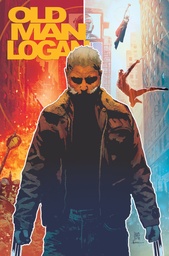
Old Man Logan is the dystopian future version that became one of the most famous alternate Logan stories. It is not mainline collecting in the strict sense, but culturally it is too important to ignore.
Collected in Wolverine by Mark Millar Omnibus and expanded through Wolverine: Old Man Logan Omnibus. Collector verdict: Mark Millar is the easiest modern action recommendation; Old Man Logan is the major alternate-future shelf.
Jason Aaron: Hell, School and the Loud Modern Logan
Jason Aaron writes Wolverine as violent, funny, wounded and strangely flexible. His solo material pushes Logan through Hell, revenge, absurdity and spiritual damage. It is louder than Bendis-style crime comics and less clean than a simple origin route, but it captures the messy modern appeal of Wolverine very well.
Aaron also transforms Logan's role in the X-Men through Wolverine & the X-Men, where the character becomes a headmaster, mentor and exhausted adult trying to build something better than the violence that built him.
Read Wolverine by Jason Aaron Omnibus Vol. 1, Wolverine Goes to Hell Omnibus and Wolverine & the X-Men by Jason Aaron Omnibus. Collector verdict: best after you know Logan well enough to enjoy the tonal swings.
Death, Return and the Wolverine Family
Wolverine's modern shelf also has a death-and-return lane. It is important continuity, but not necessarily the strongest entry point. The bigger collector question is what you do with the Wolverine family around Logan.
Laura Kinney is the essential answer. All-New Wolverine is not just a side character book; it is one of the strongest modern Wolverine-family reads, giving Laura a clear heroic identity rather than leaving her as a clone concept. Daken belongs on a darker parallel shelf, useful for readers interested in legacy, manipulation and family damage.
For this area, use Death of Wolverine Omnibus, Return of Wolverine Omnibus, All-New Wolverine by Tom Taylor Omnibus, Daken: Dark Wolverine Omnibus and X-23 Omnibus Vol. 1. Collector verdict: Laura is the priority here; death/return material is more continuity-driven.
Sabretooth War and the Recent Shelf
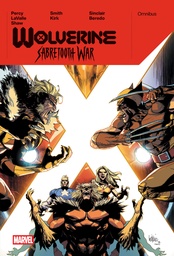
Recent Wolverine material is often built around escalation: Sabretooth, Krakoa-era consequences, family violence and the question of whether Logan can ever escape old patterns. Sabretooth War sits on that modern conflict shelf rather than the classic origin shelf.
Collected in Wolverine: Sabretooth War Omnibus. Collector verdict: better as a recent-continuity pickup than as a first Wolverine omnibus.
Recommendations by Reader Type
A fast way to choose the right Wolverine shelf: classic Logan, modern action, future mythology, family legacy or completist continuity.
The classic solo foundationWolverine Omnibus Vol. 1
Claremont/Miller Japan, Madripoor and the early solo identity make this the cleanest historical start.
Big, fast, self-containedMark Millar Omnibus
The easiest modern blockbuster route, especially if you want Enemy of the State and a direct hit of Logan.
The Larry Hama shelfWolverine Omnibus Vol. 2
Start extending the long classic run here once Vol. 1 confirms you want the full solo line.
The dystopian future shelfOld Man Logan
The major future version of Logan, best read as its own branch rather than the first mainline purchase.
Laura Kinney mattersAll-New Wolverine
The strongest modern legacy pick, and a better priority than many continuity-heavy Logan side shelves.
Recent Sabretooth conflictSabretooth War
A recent pickup for readers already invested in Logan and Sabretooth, not the beginner route.
The best first Wolverine omnibus is Wolverine Omnibus Vol. 1. The easiest modern action pick is Mark Millar. The long classic route continues through the numbered Wolverine Omnibus volumes. Old Man Logan is the key alternate-future branch. All-New Wolverine is the priority for Laura Kinney and the Wolverine family. Sabretooth War is better once you are already collecting recent Logan.
Quick collector answer
Wolverine Omnibus Reading Guide: Logan, Weapon X and Old Man Logan is built as a structured answer for building a Wolverine in omnibus format collection without buying at random. The guide helps clarify reading order, major eras and the purchases that make the most sense for a European reader.
Frequently asked questions
Is Wolverine Omnibus Reading Guide: Logan, Weapon X and Old Man Logan a good starting point?
Yes if the subject matches your reading priority. The most important choice is an omnibus you genuinely want to read and keep, not only a popular or hard-to-find volume.
Do you need to know all continuity before reading this kind of omnibus?
Not necessarily. Major US omnibuses mainly ask you to understand the era and tone of the run. A guide or review helps clarify whether the volume is standalone, modern, classic or more connected to other events.
Does reading the original English edition change the experience?
For many collectors, yes. The original English edition preserves dialogue, arc titles and the US format, which keeps the shelf more consistent when comparing multiple Marvel or DC runs.
Why compare European stock with US imports?
Because an omnibus is heavy, expensive to ship and vulnerable to damaged corners. For buyers in France or Europe, delivered price, packing, tracking and returns matter as much as the listed price.
What should you read after this post?
The best next step is usually inside the same reading cluster: a character guide, a related run review or a buying comparison. That builds a logical shelf instead of stacking volumes with no clear order.


Comments
No comments yet. Be the first to share your thoughts.