The Flash by Francis Manapul and Brian Buccellato Omnibus is the rare superhero collection where the first question is not plot. It is movement. This is a Barry Allen book built around sensation: lightning crossing a panel, captions bending around motion, weather and memory turning into rhythm. If you want Flash as an idea you can feel on the page, this omnibus has a very clear reason to exist.
That also means it is not the universal Flash recommendation. It is not the biggest DC event shelf. It is not the most complete history of the character. It is a modern visual statement, and the buying decision depends on whether that is what your collection is missing.
The Page Moves Before the Plot Does
Manapul's strongest contribution is that speed rarely feels like a caption explaining that Barry is fast. It becomes a design problem. Panels stretch, fracture and guide the eye. Color and weather carry momentum. The page often feels engineered around the sensation of acceleration, not simply around the next plot beat.
That makes the omnibus immediately readable even when the story is not operating at maximum depth. You can open a sequence and understand the appeal quickly: this is a Flash run that remembers the character should be kinetic before he is procedural.
Why This Flash Still Feels Modern
The run works best when it treats Barry as a hero defined by rhythm: forensic precision, emotional hesitation, sudden impact, then impossible motion. Buccellato's color work helps keep that identity coherent. The book has a bright, clean, electric personality that separates it from darker Batman-line shelves and heavier DC event collections.
For collectors, that matters. A shelf can become a wall of similar oversized hardcovers very quickly. This omnibus earns space because it looks and feels distinct. It gives DC readers a modern Flash volume with a strong visual signature, not just another continuity brick.
Where the Run Is Thinner Than It Looks
The limitation is character weight. The art carries more of the experience than the drama does. Some conflicts move quickly, some emotional turns feel lighter than the presentation around them, and readers who want the most consequential Barry Allen saga may leave wanting more pressure.
That is not a fatal flaw, but it is the honest caveat. This is a beautiful, energetic Flash omnibus before it is a definitive Flash argument. Buy it for sensation, page flow and modern DC polish. Buy it for sensation, page flow and modern DC polish — and for a run you will reopen for the artwork long after you know the plot.
Best Reader Match
This is strongest for readers who care about visual storytelling, modern art direction and a clean Barry Allen entry. It is also a good fit if your DC shelf already has heavier continuity books and needs something faster, brighter and easier to revisit in short bursts.
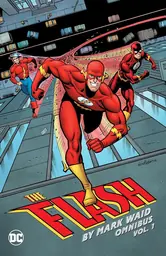
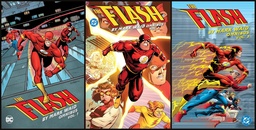
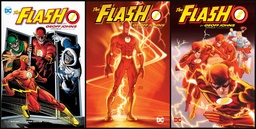
If you are choosing your first Flash omnibus and want mythology, legacy and long-form emotional payoff, compare it with the Mark Waid or Geoff Johns shelves first. If you want to see speed translated into layout, this one has the clearer identity.
Omnibus Shelf Verdict
Recommended with a specific promise: buy The Flash by Manapul and Buccellato Omnibus for motion, design and the pleasure of a superhero page that actually feels fast. It is not the deepest Flash collection, but it is one of the easiest to justify visually.
The right question is simple: do you want Flash as mythology, or Flash as pure visual electricity? If the second answer excites you, this omnibus belongs on the shortlist.
Comments
No comments yet. Be the first to share your thoughts.