New Avengers by Brian Michael Bendis is the run that turns Marvel's flagship team into a fractured, street-level conspiracy machine after Avengers Disassembled. It is not the classic ceremonial Avengers. It is the version built for breakout, paranoia, Civil War pressure, Secret Invasion anxiety and Dark Reign aftermath.
That makes the run historically important, but also very specific. If Busiek/Pérez restores the Avengers as a grand institution, Bendis breaks the institution open and asks what kind of team survives when the Marvel Universe stops trusting itself.
What This Run Changes
New Avengers changes the team language. The roster feels less like a formal roll call and more like a collection of powerful people pulled into a damaged world. Street-level texture, conspiracy and event pressure become part of the team identity.
The run also makes the Avengers feel central to Marvel's publishing engine again. Major events do not sit outside the book; they reshape the team's emotional and political reality.
Vol. 1: Breakout And The New Machine
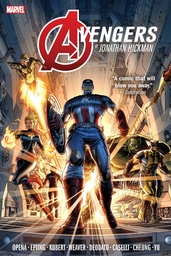
New Avengers by Bendis Omnibus Vol. 1 is the essential start because it defines the new premise. The team is not simply relaunched; it is rebuilt out of collapse.
Read this volume for the shift in atmosphere. The Avengers become less polished, more suspicious and more plugged into the wider Marvel crisis machine.
Vol. 2: Civil War, Secret Invasion And Dark Reign Pressure
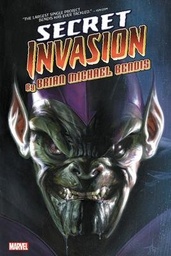
Vol. 2 matters because the concept keeps absorbing Marvel's biggest pressures. Post-Civil War pressure fractures trust, Secret Invasion weaponizes suspicion, and Dark Reign changes what power looks like after the heroes lose control of the public story.
This is why the run works best as an era shelf. You are not only buying team adventures; you are buying the Avengers as the nervous system of mid-2000s Marvel.
Who Should Buy It?
- Buy it if you want modern Marvel event context and Avengers under pressure.
- Start with Vol. 1 because the post-Disassembled premise matters.
- Wait if your ideal Avengers is clean, ceremonial and classic-first.
Mistakes To Avoid
- Do not expect this to behave like a traditional mansion-era team book.
- Do not read Vol. 2 without caring about Marvel's event spine.
- Do not buy it only for one character; the real subject is Marvel's changing team machine.
How It Fits On The Shelf
Place New Avengers after a classic Avengers shelf if you want to feel the rupture. The run works because the team no longer looks ceremonial. It becomes messier, more reactive and more tangled in the moral emergencies of the Marvel Universe.
It also pairs naturally with the event spine of the 2000s. Civil War, Secret Invasion and Dark Reign are not background labels here; they describe the atmosphere that keeps changing what the Avengers can be.
Reader Profile
This is for readers who like modern Marvel as a connected pressure cooker. Bendis writes the team less as a perfect institution and more as a group trying to function while the world keeps changing the rules. That makes the run exciting, but not always tidy.
Best Place To Start
Start with Vol. 1. Breakout is the new thesis: the Avengers are rebuilt from damage, not from ceremony. Vol. 2 works best when that shift already matters to you.
Why It Still Matters
New Avengers still matters because it captures the moment when Marvel made the Avengers feel unstable, contemporary and unavoidable. The team becomes a place where street heroes, major icons and event consequences collide. That collision defines a lot of modern Marvel reading.
The practical buying rule is simple: buy it if you want the spine of 2000s Avengers storytelling, not if you want a clean self-contained comfort read. Its value is the pressure of the era.
How To Read It
Read it as a pressure map. The run is strongest when you stop asking it to behave like the classic Avengers and instead watch how Bendis uses the team to register damage across the Marvel line. The roster choices, street-level texture and event tie-ins all serve that larger feeling of instability.
That does not make it universally comfortable, but it does make it historically useful. Few Avengers runs explain the mood of their publishing era this clearly.
Collector Verdict
Vol. 1 and Vol. 2 are one of the key shelves for understanding modern Avengers. The run is not tidy, but it captures the era when Marvel's biggest team became a pressure point for the whole universe.
Quick collector answer
New Avengers by Brian Michael Bendis: Breakout, Civil War and Dark Reign is built as a structured answer for building a Avengers and modern Marvel in omnibus format collection without buying at random. The guide helps clarify reading order, major eras and the purchases that make the most sense for a European reader.
Frequently asked questions
Is New Avengers by Brian Michael Bendis: Breakout, Civil War and Dark Reign a good starting point?
Yes if the subject matches your reading priority. The most important choice is an omnibus you genuinely want to read and keep, not only a popular or hard-to-find volume.
Do you need to know all continuity before reading this kind of omnibus?
Not necessarily. Major US omnibuses mainly ask you to understand the era and tone of the run. A guide or review helps clarify whether the volume is standalone, modern, classic or more connected to other events.
Does reading the original English edition change the experience?
For many collectors, yes. The original English edition preserves dialogue, arc titles and the US format, which keeps the shelf more consistent when comparing multiple Marvel or DC runs.
Why compare European stock with US imports?
Because an omnibus is heavy, expensive to ship and vulnerable to damaged corners. For buyers in France or Europe, delivered price, packing, tracking and returns matter as much as the listed price.
What should you read after this post?
The best next step is usually inside the same reading cluster: a character guide, a related run review or a buying comparison. That builds a logical shelf instead of stacking volumes with no clear order.





Comments
No comments yet. Be the first to share your thoughts.