Moon Knight omnibus collecting is less about one perfect reading order and more about choosing how far you want to follow Marc Spector's changing identity: street-level crime, supernatural Marvel, psychological breakdowns and modern cult politics all share the same shelf.
This guide keeps the route practical for collectors. It explains which Moon Knight omnibuses form the classic base, which books are better as continuity expansions, and where a modern reader can start without feeling lost.
The Classic Foundation: Doug Moench and Bill Sienkiewicz
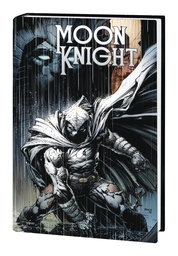
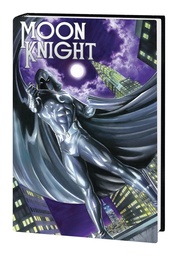
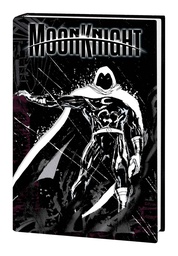
The cleanest historical start is Moon Knight Omnibus Vol. 1, followed by Moon Knight Omnibus Vol. 2. These volumes establish Marc Spector, Steven Grant, Jake Lockley, Khonshu, Marlene and the supporting world that later writers keep breaking apart and rebuilding.
This shelf is the best choice if you want the character before the modern reinterpretations. The first volume carries the strongest sense of discovery; the second deepens the mythos and helps the later darker runs make more sense.
Marc Spector: Moon Knight and the Action Shelf
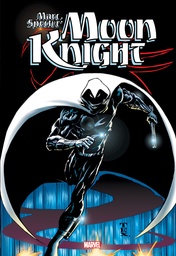
After the original era, Moon Knight: Marc Spector Omnibus Vol. 1 and Moon Knight: Marc Spector Omnibus Vol. 2 move the character into a more direct late-1980s and 1990s superhero-action mode. These are useful if you want the long continuity bridge rather than only the famous highlights.
They are not the simplest first buy for a new reader, but they matter for collectors who want to understand how Moon Knight became a larger Marvel property before the 2000s revival.
Huston, Benson and Hurwitz: The Darker Rebuild
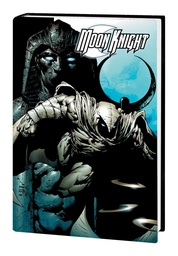
Moon Knight by Huston, Benson & Hurwitz Omnibus is the major tonal reset. It leans into violence, trauma and a harsher street-level atmosphere, making it a natural bridge between older Moon Knight and the version many modern readers recognise.
It works best after at least a little classic context, because the book is partly about dragging the character back from collapse rather than introducing him from zero.
Jed MacKay: The Best Modern Doorway
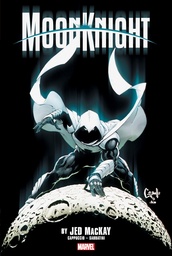
Moon Knight by Jed MacKay Omnibus is the easiest modern entry point. It gives Moon Knight a clear mission, a strong supporting cast and a clean status quo around the Midnight Mission while still respecting the fractured history behind him.
If you want one current Moon Knight omnibus with strong readability and direct shelf appeal, this is the modern pick.
How to Build the Shelf Without Overbuying
For a compact Moon Knight shelf, start with the original material and then jump to Jed MacKay. If the character clicks, add the Huston/Benson/Hurwitz volume for the darker middle stage, then Marc Spector for completion.
The full reading route is: classic foundation, Marc Spector continuity, 2000s reconstruction, then the modern Midnight Mission era.
Recommendations by Reader Type
A quick way to choose the right Moon Knight shelf, without pretending every omnibus has the same purpose.
The Moench/Sienkiewicz baseMoon Knight Vol. 1
The core foundation for Marc Spector, the identities, Khonshu and the visual grammar that later runs keep revisiting.
More of the original shelfMoon Knight Vol. 2
The follow-up if the first classic volume clicks and you want the early mythology to feel complete.
The action bridgeMarc Spector Vol. 1
The route for the longer action-driven continuity before the darker 2000s reconstruction.
The 2000s fractureHuston, Benson and Hurwitz
The harsher modernising shelf, best after some classic context because it is partly about rebuilding a broken Marc.
The Midnight Mission shelfJed MacKay
The clean current route with a strong mission, supporting cast and a clear modern status quo.

Comments
No comments yet. Be the first to share your thoughts.