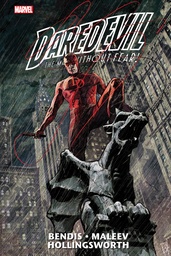
Daredevil by Brian Michael Bendis and Alex Maleev is the modern crime-pressure run that asks what happens when Matt Murdock's double life stops being a secret in any meaningful way. It is not built around one clean villain arc. It is built around exposure, reputation, surveillance, newspapers, lawyers, gangland power and the slow collapse of private space.
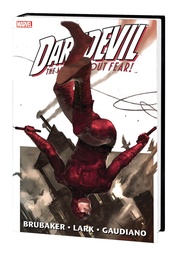
The shelf is simple: Daredevil by Bendis & Maleev Omnibus Vol. 1 creates the pressure chamber; Vol. 2 shows what happens when Matt starts believing he can control the consequences.
What This Era Actually Does
Bendis and Maleev make Daredevil feel less like a superhero who happens to know criminals and more like a man living inside a citywide legal and criminal case. The art is claustrophobic, the pacing is conversational, and the danger often comes from a sentence in print as much as from a punch.
The run matters because it turns identity into infrastructure. Once the world suspects who Matt is, every courtroom, alley, friendship and enemy relationship changes shape.
Vol. 1: Exposure as a Weapon
Vol. 1 is the best starting point because it establishes the central wound: Matt's identity is no longer stable. The run does not treat that as a simple reveal. It treats it as pressure that changes how people look at him, negotiate with him and exploit him.
That makes the book unusually strong for readers who like crime fiction. Bendis uses dialogue, accusation and institutional pressure as action scenes. Maleev gives the city a tired, bruised texture that makes every room feel like it has already heard the worst version of the story.
Vol. 2: Control, Power and Consequence
Vol. 2 is where the run becomes more dangerous because Matt is no longer only reacting. He starts making choices that can look heroic, arrogant or desperate depending on the page. That tension is the point.
The volume works because it refuses to make Matt purely noble. He is brilliant, damaged and sometimes frighteningly certain that he can solve a broken system by forcing it to obey him.
How It Connects to Miller
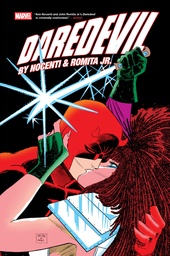
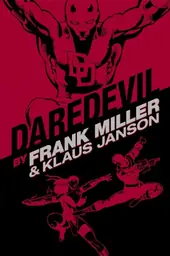
If Frank Miller's Daredevil gives the character his modern grammar of crime, guilt and collapse, Bendis and Maleev update that grammar for media exposure and civic pressure. Kingpin's shadow still matters, but the machine around Matt is now bigger than one enemy.
Best Reading Order
- Read Miller first if you want the historical foundation.
- Start Bendis/Maleev with Vol. 1.
- Continue directly into Vol. 2; this is one argument split across two books.
The Pressure Map
| Pressure | How the run uses it | Effect on Matt |
|---|---|---|
| Media | The press turns suspicion into public narrative. | Matt loses control of how his life is described. |
| Law | Courtrooms and legal exposure become action scenes. | The lawyer side of Matt is no longer separate from Daredevil. |
| Crime | Gangland power tests whether fear can replace justice. | Matt is tempted to answer systems with force. |
| Friendship | Private relationships absorb public consequences. | Everyone close to Matt becomes part of the case. |
This is why the two-volume shelf should be read as one sustained collapse. Vol. 1 establishes that the mask can fail in public. Vol. 2 asks what Matt does when failure becomes a condition of daily life. The run is strongest when it lets heroism and arrogance sit uncomfortably close together.
What Each Omnibus Contains
| Book | Core contents | Why it matters |
|---|---|---|
| Bendis & Maleev Vol. 1 | Daredevil (1998) #16-19, #26-50 and #56-60. | The identity leak, the crime-procedure tone, the slow media pressure and the rise of Matt's public crisis. |
| Bendis & Maleev Vol. 2 | Daredevil #61-81, plus related material such as What If? Karen Page Had Lived? and Ultimate Marvel Team-Up #6-8 depending on edition. | The aftermath: Murdock Papers pressure, Kingpin return, Matt's attempt to control the city and the endgame of the Bendis/Maleev argument. |
This is why the two books should not be treated as interchangeable. Vol. 1 creates the public wound. Vol. 2 studies what happens when Matt tries to live, practice law and fight crime after that wound becomes part of his public identity.
Who Should Buy It?
- Buy it if you want Daredevil as crime drama, not just rooftop action.
- Buy both volumes if you want the full identity-pressure arc.
- Wait if you dislike talk-heavy comics; the dialogue and legal tension are part of the engine.
What to Read It For
Read this run for the feeling that every secret has a paper trail. Bendis and Maleev understand that Daredevil's mask is not only a costume. It is a fragile legal fiction, a personal defence mechanism and a public story other people can rewrite. That is why the run still feels modern: the threat is not only that Matt might be beaten, but that his life can be narrated out from under him.
Mistakes To Avoid
- Do not start with Vol. 2 just because it sounds like the bigger collapse.
- Do not expect the same operatic tone as Miller. This run is colder, talkier and more procedural.
- Do not treat Maleev's art as atmosphere only; the visual fatigue is part of the storytelling.
Why It Still Matters
Bendis and Maleev still matter because they made superhero identity feel procedural. The question is not only whether Matt can keep a secret; it is what institutions, criminals and ordinary people do once the secret becomes useful. That makes the run unusually durable. It is a Daredevil story about masks, but also about public narrative, credibility and the violence of being interpreted by everyone else.
Fast Buying Route
Buy Vol. 1 if you want to test the tone: dense dialogue, crime procedure, public exposure and a city that feels permanently suspicious. Buy Vol. 2 only if that pressure works for you, because the second book is not a soft reset. It deepens the same problem until Matt's confidence becomes part of the danger.
Collector Verdict
The Bendis/Maleev shelf is one of the strongest modern Daredevil runs because it turns identity into a long civic disaster. Start with Vol. 1, finish with Vol. 2, and read it as a crime novel about a superhero whose private life has become public evidence.
Quick collector answer
Daredevil by Bendis and Maleev Era Guide: Identity, Crime and Pressure is built as a structured answer for building a Daredevil in omnibus format collection without buying at random. The guide helps clarify reading order, major eras and the purchases that make the most sense for a European reader.
Frequently asked questions
Is Daredevil by Bendis and Maleev Era Guide: Identity, Crime and Pressure a good starting point?
Yes if the subject matches your reading priority. The most important choice is an omnibus you genuinely want to read and keep, not only a popular or hard-to-find volume.
Do you need to know all continuity before reading this kind of omnibus?
Not necessarily. Major US omnibuses mainly ask you to understand the era and tone of the run. A guide or review helps clarify whether the volume is standalone, modern, classic or more connected to other events.
Does reading the original English edition change the experience?
For many collectors, yes. The original English edition preserves dialogue, arc titles and the US format, which keeps the shelf more consistent when comparing multiple Marvel or DC runs.
Why compare European stock with US imports?
Because an omnibus is heavy, expensive to ship and vulnerable to damaged corners. For buyers in France or Europe, delivered price, packing, tracking and returns matter as much as the listed price.
What should you read after this post?
The best next step is usually inside the same reading cluster: a character guide, a related run review or a buying comparison. That builds a logical shelf instead of stacking volumes with no clear order.










Comments
No comments yet. Be the first to share your thoughts.