Captain America looks simple from the outside: shield, flag, World War II, Avengers. In omnibus format he is much more interesting than that. Steve Rogers moves through propaganda comics, Silver Age resurrection, street-level political doubt, long-form Gruenwald superhero craft, Brubaker espionage tragedy and modern arguments about what the symbol means. The best Captain America shelf is not just a patriotic timeline. It is a history of Marvel repeatedly asking what kind of hero Steve is allowed to be.
This guide maps the main Captain America omnibus routes in original English oversized hardcover format. It is written for collectors who want to know what each era actually does, which volumes make sense first, and which books are mainly for completists or specific tastes.
Before You Start: Captain America Has Two Different Origins
Captain America has a publishing origin in the Golden Age and a Marvel Universe origin in the Silver Age. Those are not the same reading experience. The Golden Age material is historically fascinating and visually important, but it belongs to a very different comics language. The Silver Age and Bronze Age material is where Steve becomes a Marvel character surrounded by Avengers continuity, modern politics and personal conflict.
Most new readers should not feel forced to start with the earliest publication date. If you want the most powerful modern Captain America omnibus, Brubaker is the clean answer. If you want the long classic Marvel spine, Gruenwald becomes essential. If you collect history as an object, the Golden Age volumes matter.
The Golden Age Root (1940s)
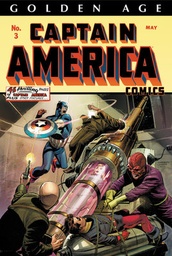
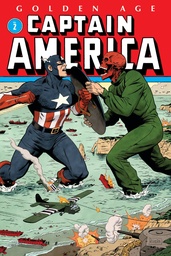
The Golden Age Captain America comics are historically enormous. Joe Simon and Jack Kirby create a visual idea so direct that it survives every later reinvention: the shield, the costume, the war iconography and the sense of Captain America as an answer to fascism before the United States had fully entered the war. These stories are not modern character drama. They are energetic, blunt, strange wartime comics with a completely different rhythm.
For collectors, the value is archival. You read them to understand the birth of the symbol and the original force of the image. For someone looking for the best Steve Rogers story, they are not the first practical purchase.
Collected in Captain America: Golden Age Omnibus Vol. 1 and Vol. 2. Collector verdict: vital history, but best after you already know you want archival Captain America.
The Silver Age and Early Marvel Foundation (1960s-1970s)
The Marvel Age version of Captain America begins with displacement. Steve Rogers is not only a wartime hero; he is a man pulled out of time and forced to live inside a changing America. That makes his solo comics more psychologically interesting than the surface suggests. The best early material is about adjustment, loyalty, Bucky's absence, Sharon Carter, the Red Skull and Steve trying to define himself beyond World War II.
This era is still classic Marvel: dramatic, compact, sometimes blunt. But it gives Captain America the emotional structure that later runs keep testing. Without this foundation, the later political and espionage stories lose some of their weight.
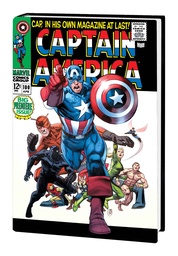
Collected in Captain America Omnibus Vol. 1. Collector verdict: the right historical Marvel start if you want Steve Rogers after the Golden Age, not the easiest modern doorway.
The Mark Gruenwald Long-Form Superhero Spine (1985-1995)
Mark Gruenwald's Captain America is the great long classic run. It may not have the instant mainstream reputation of Brubaker, but for collectors it is one of the character's most important shelves because it treats Captain America as an ongoing institution. The run tests Steve against bureaucracy, replacement heroes, ideological enemies, patriotic symbolism and the practical limits of being a national icon.
The appeal is cumulative. Gruenwald builds a world around Steve and lets the symbol be questioned from several directions without turning the comic into a simple lecture. If Brubaker is the prestige modern thriller, Gruenwald is the deep classic backbone.
Collected in Captain America by Mark Gruenwald Omnibus Vol. 1 and Vol. 2. Collector verdict: essential if you want a real Captain America library, especially after Brubaker.
Gap: Waid, Garney and the Late-1990s Bridge
There is important Captain America material between the classic backbone and the modern espionage era, especially for readers who care about the Mark Waid and Ron Garney interpretation. The omnibus map, however, is not as straightforward as the Brubaker shelf. That means a collector should treat this period as context rather than a required first route.
The practical roadmap is simple: if you are building in omnibus format, use Gruenwald for the long classic spine, then Brubaker for the modern reinvention. The missing bridge is worth knowing, but it should not stop the collection from making sense.
The Ed Brubaker Espionage Tragedy (2005-2012)
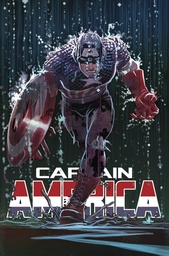
Ed Brubaker's Captain America is the safest first purchase for most modern readers. It turns Steve Rogers' world into a political thriller without losing superhero scale. The return of Bucky as the Winter Soldier is not just a shock twist; it changes the emotional architecture of the entire character. Steve's past comes back as trauma, weapon and responsibility.
The run is also unusually coherent in omnibus form. It moves from conspiracy to death, replacement, return and aftermath with a clear spine. Steve, Bucky, Sharon, Falcon, Black Widow and the Red Skull's orbit all feel part of one long story rather than disconnected arcs.
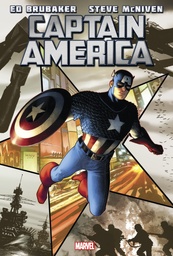
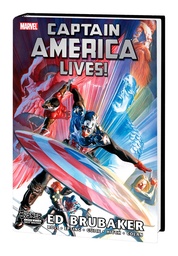
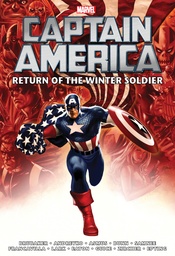
Start with Captain America by Ed Brubaker Omnibus Vol. 1, then continue through The Death of Captain America Omnibus, Captain America Lives! Omnibus, The Trial of Captain America Omnibus and Return of the Winter Soldier Omnibus. Collector verdict: the definitive modern Captain America shelf.
The Rick Remender Detour (2012-2014)
Rick Remender follows Brubaker by doing almost the opposite. Instead of grounded espionage, he pushes Steve into stranger, pulpier science-fiction territory. Dimension Z is a harsh, isolated test of Steve's endurance, fatherhood and moral code. It can be jarring if you expect more Winter Soldier-style intrigue, but it has a clear identity.
This is not the universal first recommendation, but it is useful because it prevents the character from being trapped forever in one mode. Captain America can be political thriller, but he can also be cosmic-pulp endurance myth.
Collected in Captain America by Rick Remender Omnibus. Collector verdict: buy after Brubaker if you want a bold tonal shift.
The Spencer and Coates Modern Political Shelf (2014-2021)
Nick Spencer and Ta-Nehisi Coates both treat Captain America as a contested symbol, though in very different ways. Spencer's material is sharper, louder and deeply tied to Marvel event mechanics. Coates is slower, more reflective and more interested in institutions, trust and the burden of public meaning.
These runs are not as clean as Brubaker for a new reader, but they matter if you want modern Captain America as a political object rather than just a man with a shield. They are best read after you already understand why Steve matters.
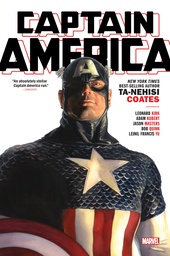
Collected in Captain America by Nick Spencer Omnibus Vol. 1, Vol. 2 and Captain America by Ta-Nehisi Coates Omnibus. Collector verdict: strong later shelves, not the foundation.
Companion Shelf: Black Widow and Captain America by Waid and Samnee
Black Widow & Captain America by Waid & Samnee Omnibus is better treated as a companion volume than as the spine of a Steve Rogers collection. The craft is elegant and accessible, especially if you like Waid and Samnee's clean action storytelling, but it is not the main historical route through Captain America.
Recommendations by Reader Type
A quick way to choose the right Captain America shelf depending on whether you want history, classic Marvel or modern espionage.
The modern classicBrubaker Vol. 1
The clearest, strongest entry for most readers: espionage, Bucky, Steve and a complete modern identity.
The long superhero backboneGruenwald Vol. 1
The best route if you want Captain America as an ongoing Marvel institution rather than only a thriller hero.
Steve after the iceCaptain America Omnibus Vol. 1
The right choice if you want the Silver Age/Bronze Age foundation of Steve Rogers inside the Marvel Universe.
The original wartime symbolGolden Age Vol. 1
Essential as comics history, but better for archival collectors than for a smooth first read.
Pulp science-fiction SteveRemender Omnibus
A bold change of tone after Brubaker, useful when you want Captain America pushed somewhere less expected.
The contested symbolCoates Omnibus
Best after the foundations, when you want a slower modern argument about what Captain America means.
The best first Captain America omnibus is Brubaker Vol. 1. The most important deep classic shelf is Mark Gruenwald Vol. 1. The Silver Age Captain America Omnibus Vol. 1 gives the Marvel foundation, while Golden Age Vol. 1 is for archival history. After Brubaker, use Remender, Spencer and Coates as modern expansions rather than starting points.
Quick collector answer
Captain America Omnibus Reading Guide: Brubaker, Gruenwald and the Symbol is built as a structured answer for building a Captain America in omnibus format collection without buying at random. The guide helps clarify reading order, major eras and the purchases that make the most sense for a European reader.
Frequently asked questions
Is Captain America Omnibus Reading Guide: Brubaker, Gruenwald and the Symbol a good starting point?
Yes if the subject matches your reading priority. The most important choice is an omnibus you genuinely want to read and keep, not only a popular or hard-to-find volume.
Do you need to know all continuity before reading this kind of omnibus?
Not necessarily. Major US omnibuses mainly ask you to understand the era and tone of the run. A guide or review helps clarify whether the volume is standalone, modern, classic or more connected to other events.
Does reading the original English edition change the experience?
For many collectors, yes. The original English edition preserves dialogue, arc titles and the US format, which keeps the shelf more consistent when comparing multiple Marvel or DC runs.
Why compare European stock with US imports?
Because an omnibus is heavy, expensive to ship and vulnerable to damaged corners. For buyers in France or Europe, delivered price, packing, tracking and returns matter as much as the listed price.
What should you read after this post?
The best next step is usually inside the same reading cluster: a character guide, a related run review or a buying comparison. That builds a logical shelf instead of stacking volumes with no clear order.

Comments
No comments yet. Be the first to share your thoughts.