Iron Man is one of Marvel's most important characters, but his omnibus shelf is less obvious than Spider-Man or X-Men. Tony Stark has several different identities as a reading experience: early Marvel science hero, corporate weapons magnate, alcoholic self-saboteur, armored futurist, Avengers strategist and public symbol of technology out of control. A good Iron Man collection is not just about buying the earliest volume first. It is about choosing which version of Tony Stark you want on the shelf.
This guide covers the main Iron Man omnibus routes available in original English oversized hardcover format. It explains what each era contributes, which volumes are stronger entry points, and where the important gaps sit for collectors who want the whole arc rather than a random stack of red-and-gold hardcovers.
Before You Start: Iron Man Is a Character of Eras, Not One Straight Line
Iron Man changes more drastically than many Marvel icons because his best stories usually respond to the world around him: industry, war, addiction, corporate power, technology, surveillance and reinvention. The early volumes are historically important, but they are not always the cleanest first purchase. The Michelinie/Layton material gives Tony his most influential classic shape. Busiek restores the heroic scale after the 1990s. Fraction turns Stark into a sleek modern machine with serious consequences.
If you want publication history, start with the Silver Age. If you want the Iron Man most collectors think of when they say “classic Tony Stark”, go to Michelinie/Layton and Armor Wars. If you want the most modern, cinematic Tony, Fraction is the easier door.
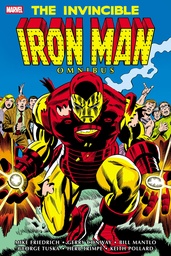
The Silver Age Foundation (1963-1975)
The early Iron Man stories build the core machinery: Tony Stark as inventor, industrialist and compromised hero; the armor as both weapon and life-support system; the constant tension between privilege and responsibility. Don Heck, Gene Colan and George Tuska each shape a different visual language for the character, from sleek Cold War superheroics to more muscular Bronze Age action.
These stories are valuable because they show Iron Man before the later layers of addiction, corporate collapse and futurist politics take over. They are also very much Silver and Bronze Age Marvel: fast, exposition-heavy and often driven by villain-of-the-month momentum. For a collector, they are foundation. For a new reader, they are best approached as history rather than the smoothest modern entry.
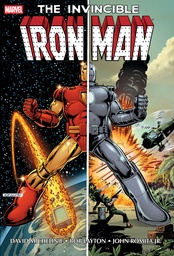
The core classic shelf is collected across The Invincible Iron Man Omnibus Vol. 1, Vol. 2, Vol. 3 and Vol. 4. Collector verdict: essential for a complete Iron Man library, but not the most forgiving first buy.
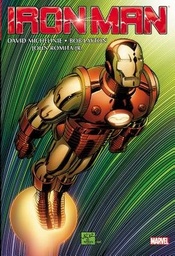
The Michelinie, Layton and Romita Jr. Classic Stark Era (1978-1982)
This is where Iron Man becomes emotionally sharper. David Michelinie and Bob Layton understand that Tony Stark is most interesting when his wealth and genius do not protect him from himself. The run gives weight to the business world around him, builds stronger supporting dynamics, and turns the armor into a symbol of both control and dependency.
The most famous reason to read this period is “Demon in a Bottle”, but the appeal is broader than one storyline. John Romita Jr. brings a cleaner, more grounded superhero scale, while Layton gives the technology and corporate setting a metallic confidence. This is the shelf that makes Iron Man feel like a character with a real private cost, not just a cool suit.
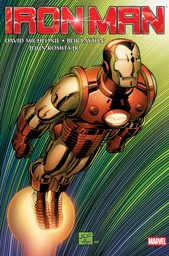
Collected in Iron Man by Michelinie, Layton & Romita Jr. Omnibus Vol. 1. Collector verdict: the best classic Iron Man starting point if you want Tony Stark drama, not just early Marvel chronology.
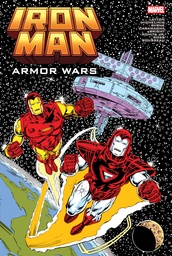
Armor Wars and the Question of Responsibility (1980s)
Armor Wars is one of the defining Iron Man concepts because it makes the armor political. Tony discovers that his technology has been stolen and weaponised by others, then pushes his responsibility to a dangerous extreme. The story works because it is not only about villains wearing armor. It is about Tony believing he alone can control the consequences of his inventions.
This is a crucial shelf for anyone who wants Iron Man as the Marvel character most directly tied to technology, ownership and collateral damage. It also gives later modern Iron Man stories a lot of their ethical vocabulary: Stark as protector, monopolist, futurist and problem all at once.
Collected in Iron Man: Armor Wars Omnibus. Collector verdict: one of the strongest single Iron Man purchases after Michelinie/Layton Vol. 1.
Gap: The 1990s Are Not a Clean Omnibus Road Yet
Iron Man's 1990s shelf is much less tidy than Spider-Man or X-Men. Important material exists, but the current omnibus map does not give every transition the same clean oversized treatment. That matters because Tony's road through corporate instability, Avengers continuity and pre-Heroes Return material can feel fragmented if you are trying to build a strict reading order.
For most collectors, the practical answer is to treat the 1990s as a known gap rather than a required early purchase path. Build the classic foundation, then jump to the restored Busiek era before going modern.
The Busiek and Chen Heroes Return Reset (1998-2000)
Kurt Busiek and Sean Chen rebuild Iron Man after the turbulence of the 1990s by making him feel heroic, bright and structurally solid again. The run respects Tony's history without drowning the reader in it. It is not as psychologically famous as Michelinie/Layton or as stylish as Fraction, but it is one of the cleanest bridges between classic Iron Man and modern Marvel.
For readers who like Busiek's superhero craftsmanship, this volume is exactly what it sounds like: well-built Tony Stark comics with clear stakes, strong continuity awareness and a healthier sense of adventure than some darker eras.
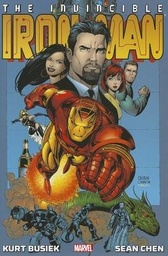
Collected in The Invincible Iron Man by Kurt Busiek Omnibus. Collector verdict: a very good second-wave purchase once the classic Michelinie/Layton material is in place.
Gap: Extremis and Civil War Shape Modern Iron Man, But Not Everything Is Omnibus-Ready
Modern Iron Man is heavily shaped by material around Extremis, Civil War and the broader Marvel event machine. Those stories matter because they turn Tony into one of Marvel's central political figures, not just a solo hero. The problem for omnibus collectors is that the path into that material is not as cleanly packaged as the Spider-Man or Daredevil shelves.
That does not make the era irrelevant. It simply means the collector roadmap should be honest: some key transitions are better understood as context around the available omnibuses rather than as a neat one-volume next step.
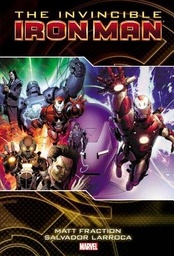
The Matt Fraction and Salvador Larroca Modern Machine (2008-2012)
Matt Fraction and Salvador Larroca give Iron Man one of his clearest modern identities: sleek, damaged, public, corporate and always one mistake away from collapse. This is the Iron Man shelf that best matches the post-Civil War, post-film era version of Tony Stark, while still behaving like a real comic run rather than a movie tie-in.
The run works because it understands Tony as both visionary and liability. The technology is exciting, but the real tension is whether Stark can stay ahead of the consequences of being Stark. Larroca's polished, design-heavy art reinforces that feeling: this is Iron Man as a premium machine with human instability inside it.
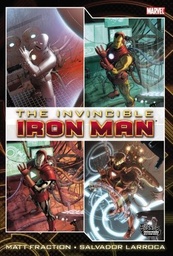
Collected across Invincible Iron Man by Matt Fraction Omnibus Vol. 1 and Vol. 2. Collector verdict: the easiest modern Iron Man entry and one of the safest first purchases for readers coming from contemporary Marvel.
Recommendations by Reader Type
A quick way to choose the right Iron Man shelf without pretending every Tony Stark era does the same job.
Tony Stark with real weightMichelinie, Layton & Romita Jr. Vol. 1
The strongest classic entry because it gives you character drama, corporate tension and the emotional cost of being Iron Man.
The sleek contemporary routeFraction Vol. 1
The easiest entry if your image of Iron Man is modern, public, stylish and technologically anxious.
Stark technology out of controlArmor Wars
The cleanest way to understand Iron Man as a story about invention, ownership and responsibility.
The original Marvel foundationThe Invincible Iron Man Vol. 1
Start here if you want the source material and can enjoy Silver Age pacing as part of the object.
Classic craft after the 1990sBusiek Omnibus
A strong second-wave purchase when you want heroic, readable Iron Man between classic and modern shelves.
The safest classic Iron Man omnibus is Michelinie, Layton & Romita Jr. Vol. 1. The best modern start is Invincible Iron Man by Matt Fraction Vol. 1. Armor Wars is the most iconic concept volume, while the Silver Age omnibuses are mainly for historical collectors. Once those shelves are clear, Busiek works as the clean bridge into later Tony Stark.

Comments
No comments yet. Be the first to share your thoughts.